


Is the Risk of Iranian Retaliatory Terrorism Worth It?
Re-escalating the Iran war would invite the very retaliation U.S. intelligence is already warning about.
November 25, 2026
News Article
Re-escalating the Iran war would invite the very retaliation U.S. intelligence is already warning about.
The recent nationwide ground stop of commercial aircraft in the United States, which caused chaos among travelers, and other computer-related glitches in email, airline, and banking systems have had conspiracy theorists’ tongues wagging. Yet it already has been credibly alleged that Iran has tampered with computer systems running municipal water systems in the Midwest. So you don’t have to be a conspiracy theorist to be worried about the threat of asymmetric retaliation by Iran if that war re-escalates.
In a Cato Institute report I authored in December 1998, I warned that, based on the historical record, American interventionist foreign policy made the United States vulnerable to “devastating—and potentially catastrophic–terrorist attacks”:
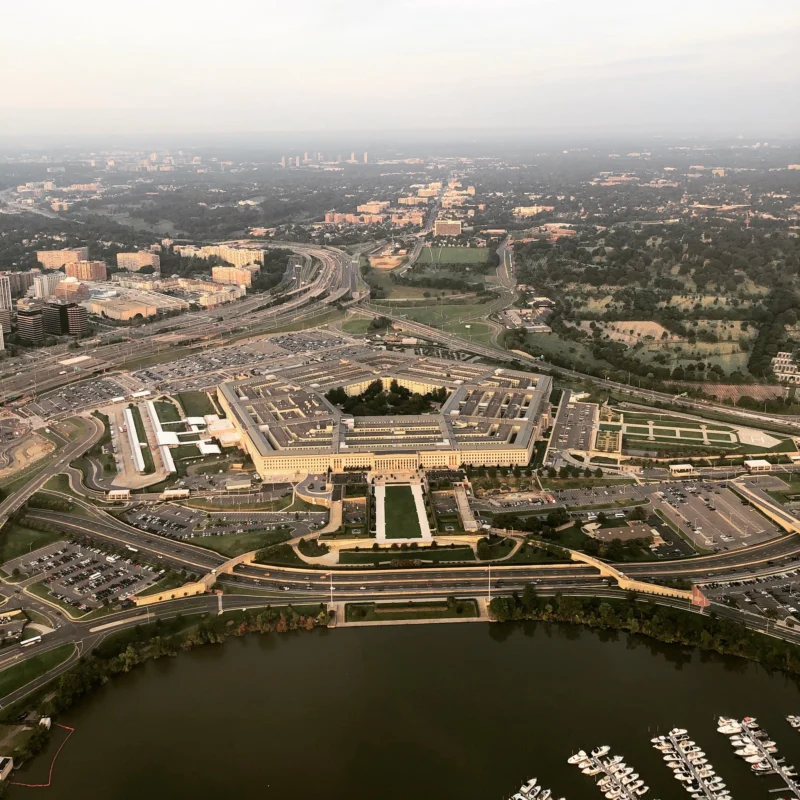
According to the Pentagon’s Defense Science Board, a strong correlation exists between U.S. involvement in international situations and an increase in terrorist attacks against the United States. President Clinton has also acknowledged that link. The board, however, has provided no empirical data to support its conclusion. This paper fills that gap by citing many examples of terrorist attacks on the United States in retaliation for U.S. intervention overseas. The numerous incidents cataloged suggest that the United States could reduce the chances of such devastating–and potentially catastrophic–terrorist attacks by adopting a policy of military restraint overseas.
Unfortunately, neither Democratic nor Republican presidential administrations took my advice. On September 11, 2001, Osama bin Laden, the leader of al Qaeda who five years earlier had declared war on the United States, spectacularly attacked American soil. At the time, bin Laden justified these horrific attacks, which killed almost 3,000 Americans, by characterizing the U.S. military presence in the Middle East and interventions against the Muslim world as a war on Islam.
Just after the attacks, President George W. Bush falsely claimed that “America was targeted for attack because we’re the brightest beacon for freedom and opportunity in the world.” This assertion made bin Laden so mad that he responded, “[C]ontrary to Bush’s claim that we hate freedom … let him explain to us why we didn’t strike—for example—Sweden.”
Nevertheless, after the 9/11 attacks, with the Cold War more than a decade in the dustbin of history, the U.S. superpower continued to police the world. This policy has continued even under Donald Trump, a president who claimed he would stay out of “forever wars.” To date, he has intervened militarily in eight countries, including a massive war of choice on Iran for no good reason. And despite strategic failure in this latter war, Trump is blustering about attacking Cuba next.
Now, according to Politico, a memo from Director of National Intelligence Jay Clayton to Secretary of State Marco Rubio states that U.S. intelligence agencies have “received intelligence that Iran has substantially increased efforts to target U.S. personnel. The lethal plotting efforts by the Iranians against U.S. citizens have reached advanced stages in both the Middle East and certain other countries.”
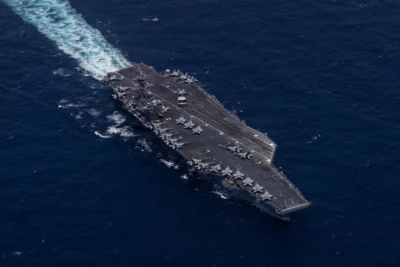
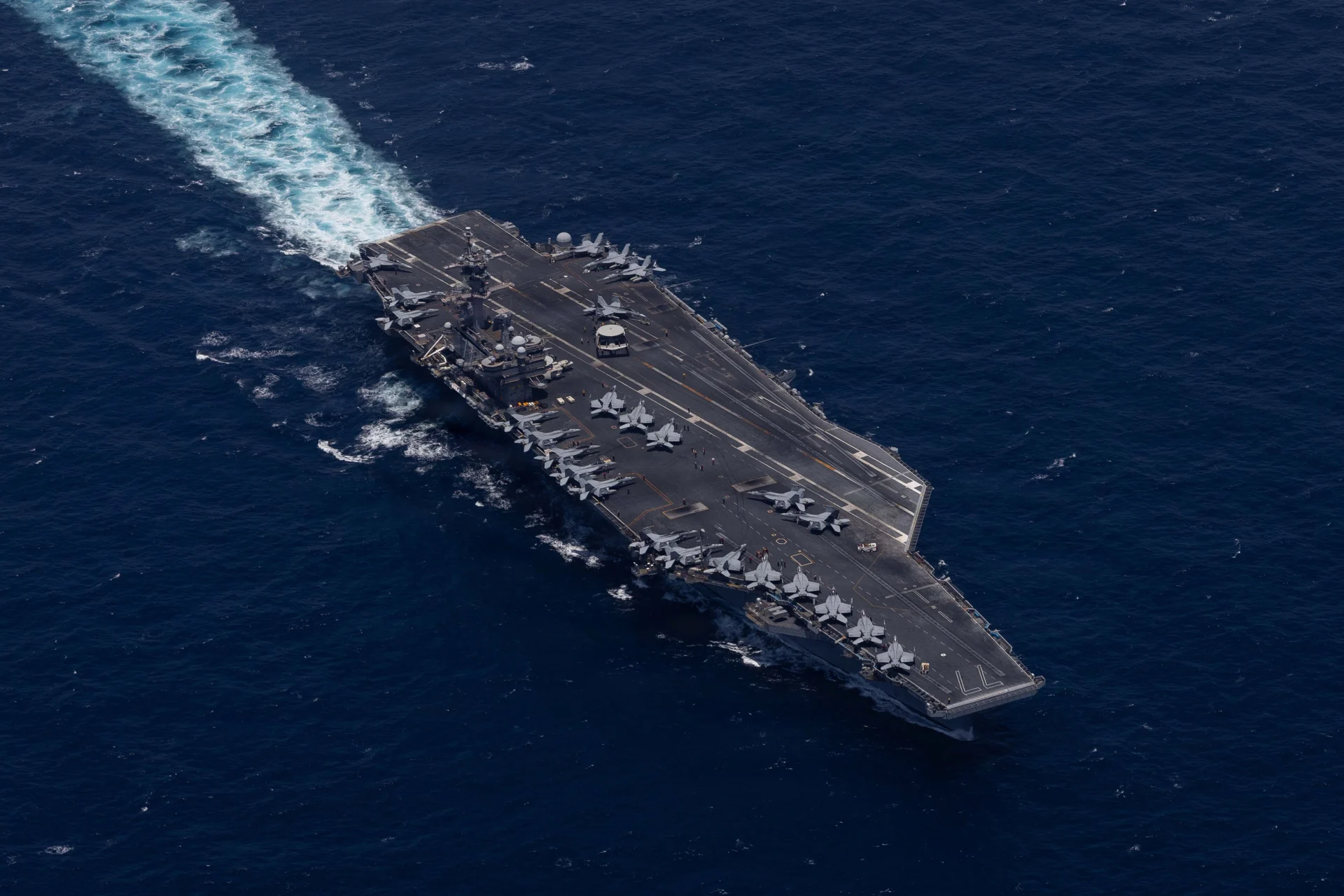
As the Defense Science Board did in 1998, years before the 9/11 attacks, even the U.S. government recognizes that its military presence and profligate intervention abroad heighten the risk of retaliatory terrorism. Yet President Trump proclaimed that he might escalate the Iran war again after the midterm elections, and it has been reported that the U.S. military has been ordered to send another aircraft carrier and a Marine Expeditionary Force to the region for that purpose. The biggest problem with that idea is that the continuing U.S. existential threat to Iran could cause it to lash out asymmetrically with spectacular and deadly attacks against Americans.
The risk of retaliation, warned of by the U.S. intelligence community as well as reiterated by this humble analyst, should be compared to the meager results of another all-out attack. Most military targets in Iran have already been hit, yet the zealous regime seems intransigent and would only gain from the popular “rally-‘round-the-flag” effect after Trump made the rubble bounce again.
Thus, the president should quit all blustering, cut his losses, and quietly withdraw U.S. forces from the Middle East once and for all, and avoid needlessly attacking any other countries during his two-year lame duck period.