SCOTUS, Trump’s Legacy, and the Long Game
Trump could win a bigger legacy by sparking a national debate on reining in the Supreme Court’s power.
November 11, 2026
News Article
Trump could win a bigger legacy by sparking a national debate on reining in the Supreme Court’s power.
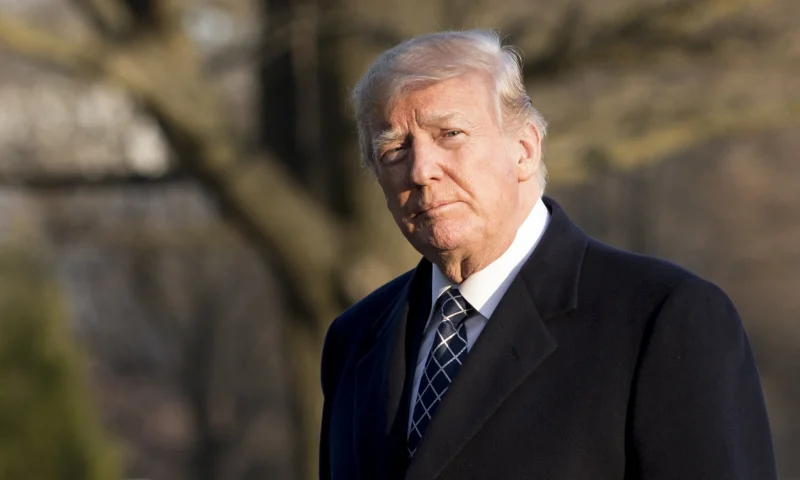
Donald Trump cares how he will be remembered. Prime examples include efforts to have his name affixed to the Kennedy Center, Dulles International Airport, and New York City’s Penn Station. Even if the President is focused on signage, his real legacy might be the most conservative Supreme Court since the 1930s. In his first term, Trump appointed Neil Gorsuch, Brett Kavanaugh, and Amy Coney Barrett to the Court.
But the 2026 mid-term elections could throw a monkey wrench into the long-term viability of an originalist Court. Beginning in January 2027, Democrats will be in firm control of the Senate. Justices Samuel Alito and Clarence Thomas—the two most conservative members of the Court—are also the oldest. Alito is 76 and Thomas is 80 years old. Democrats, who abhor the rightward lean of the Court, will not sign off on nominees with conservative credentials. If President Trump is confronted with a vacancy in the next two years, gridlock and acrimony are certain.
In years gone by, a Supreme Court vacancy in a lame duck administration would not have been a major event. According to the Congressional Research Service, from 1789 to 1966, a median of seven days passed from the Senate’s receipt of a Supreme Court nomination until the date it took final action. From 1967 to the present, the median time to receive final action is 66 days.
Why a marked increase beginning in the mid-1960s?
The answer lies in the legal doctrine known as substantive due process. In the mid-1960s the Supreme Court began to closely scrutinize state laws exercising the police power (i.e., laws governing the health, welfare, and morals of the people). For most of American history, these laws did not involve federal courts, and federal judges evinced little interest in presiding over routine state lawmaking. Indeed, Alexander Hamilton, writing in Federalist No. 17, expressed skepticism that officers of the federal government would ever be tempted to interfere with “local legislation.” Meddling in local issues, Hamilton reasoned, “would contribute nothing to the dignity, to the importance, or to the splendor of the national government.”
But in the latter years of the Warren Court (1965–1969), the justices became enamored with state policymaking and, armed with a novel view of the Due Process Clause of the Fourteenth Amendment, began intently to review state laws that touched upon individual liberties. For most of Anglo-American legal history, due process referred to steps prosecutors and courts had to follow before depriving a person of life, liberty, or property. The doctrine did not apply to the actions of a legislature.
True, during the late 1800s and early 1900s, the Supreme Court did use substantive due process to strike down state laws protecting workers from grueling hours and paltry wages. But it abandoned such exacting review in the late 1930s—but could not resist reviving judicial activism in the 1960s. Whereas for most of American history state appellate courts had examined state laws against state bills of rights, the Warren Court usurped this role. State marriage laws, distribution of poor relief, and criminal punishments were now under the care of the federal Supreme Court.
Because of this power, the judicial nomination process has become a street fight with an 842 percent increase in the time it takes for the Senate to act.
Some voices have urged Justices Alito and Thomas immediately to retire so President Trump and the lame duck Senate can appoint two young originalists to secure his Supreme Court legacy. This course would be reckless because Trump has made multiple enemies among outgoing GOP senators, and they would be unlikely to support a last-minute gambit.
More importantly, such an effort does nothing to examine the cause of rancor in the modern judicial confirmation process. If President Trump could start a national discussion on the power of the Supreme Court and why a return to a more modest federal jurisprudence is in America’s best interest, he would have secured a legacy far greater than the likely ephemeral one based upon his judicial appointments from his first term.