Environmental Hubris
From timber famines to DDT, policies built on poor information have done costly harm.
November 16, 2026
News Article
From timber famines to DDT, policies built on poor information have done costly harm.
Bjørn Lomborg, the world-renowned author known for applying common sense to environmental problems, recently pointed out that much recycling is a waste of time and money. “[G]overnments have increasingly pushed citizens to recycle paper, glass and plastics worth less than the cost of collecting and processing them,” he wrote in the Wall Street Journal.
His argument was not new. More than 20 years ago, Clemson University economist Daniel Benjamin wrote in his “Eight Great Myths of Recycling” that “mandatory recycling programs, in which people are directly or indirectly compelled to do what they know is not sensible, routinely make society worse off.”
But Benjamin and other seers failed to end inefficient recycling or even slow it down. According to Lomborg: “The world now spends more than $250 billion a year managing municipal waste, perhaps $50 billion of it on recycling.”
The lesson from recycling—that government action based on poor information can backfire—is typical of many environmental programs. Here are three examples.
A “Timber Famine”
In the early 1900s, demand for wood was skyrocketing—for fuel, railroad ties, and construction of homes and factories. To meet this demand, loggers cut down trees wherever they could and then moved on, leaving an ugly wasteland of stumps—and fires would sometimes follow. Experts feared a “timber famine.” As President Theodore Roosevelt told the American Forest Congress in 1905:
If the present rate of forest destruction is allowed to continue, a timber famine is inevitable. Fire, wasteful and destructive forms of lumbering and legitimate use are together destroying our forest resources far more rapidly than they are being replaced.
Loggers “cut and ran” in the early 1900s because no one could make money from replanting. There was too much forestland and too much timber competing with replanted trees.
The famine did not arrive. Demand for timber leveled off, thanks to innovations such as treating railroad ties with creosote to extend their lives. Supply increased, thanks to innovations such as using thinner saws to reduce sawdust waste.
Nevertheless, fear of a timber famine led the federal government to create what became the Forest Service. Its goal was to conserve timber while also selling forest products commercially. It copied the “sustained yield” management used in German forestry, considered the most professional forest management in the world.
But Germany had limited forestland and less demand. As Jonathan Hill wrote in 2017, German forests “were of pure artificial design: forests were often of a single type of tree, planted in even rows and all of the same age.” That was nothing like the wild and expansive forests of the U.S.
Sustained yield continues to this day at the Forest Service. Private foresters sometimes use sustained yield, but often let natural growth replace logged trees. The Forest Service’s management style may be one reason (not the only one) that it provides only about 4 percent of the nation’s timber harvest today.
The creation of the Forest Service was based on a miscalculation.
Acid Rain
The name itself is ominous. But how bad is acid rain?
Two things caused alarm over acid rain in the 1970s. A few lakes in the Adirondack Mountains were found to be acidic and without fish. At the same time, in Europe, forests suddenly had an increasing number of dead or dying trees that might have been damaged by acid rain (they weren’t).
The emergent theory was that both problems were caused by the sulfur dioxide (SO2) emitted from coal- or oil-fired electric power plants. It contaminated rainwater, making it acidic.
There was pressure in the U.S. to do something about it. But, led by Senator Daniel Patrick Moynihan, Congress authorized a 10-year, $500 million study of the phenomenon.
In 1990 the report appeared. What did it say?
- Only a small share of the nation’s lakes and streams (about 5 and 10 percent, respectively) were acidic, many in Florida.
- Up to 30 percent of small lakes (2–10 acres) in the Adirondack Mountains were acidic, but many had natural acidity not caused by SO2.
- Less than 1 percent of trees in the Appalachian Mountains showed damage caused by SO2 emissions.
However, in 1977 Congress had passed a law requiring new coal-fired power plants to install equipment in their smokestacks that “scrubbed” out the SO2. These “scrubbers” were extremely expensive, and some utilities even had to add sulfur to make the machines work.
The utilities’ resistance was so strong that Congress changed its mind. In 1990 it dropped the hated scrubber requirement and introduced a new plan, called “cap-and-trade.” The government set maximum amounts of SO2 that could be emitted from each smokestack. Utilities that had trouble meeting the standard could purchase emission rights from plants that could lower their emissions below the maximum. The result was a substantial reduction in SO2.
Economists and environmentalists have rightly extolled this “market-based” trading mechanism. There’s only one catch. The 1990 law did more than start cap-and-trade. By dropping the scrubber requirement, it also let utilities switch to low-sulfur coal to meet the emission limits. We don’t know how much of the success was due to trading the right to emit and how much to the purchase of low-sulfur coal.
The lesson? Public outcry can push legislators into costly mistakes when they act before the necessary information is in.
DDT: Enemy or Friend?
The worst example of acting on inadequate information began in 1962, when Rachel Carson published Silent Spring, a blockbuster book that brought environmental issues to the forefront of public consciousness.
Carson attacked the insecticide DDT. In addition to killing mosquitoes and other pests, DDT was killing birds, she argued. She warned of a “silent spring” in which “no birds sing.”
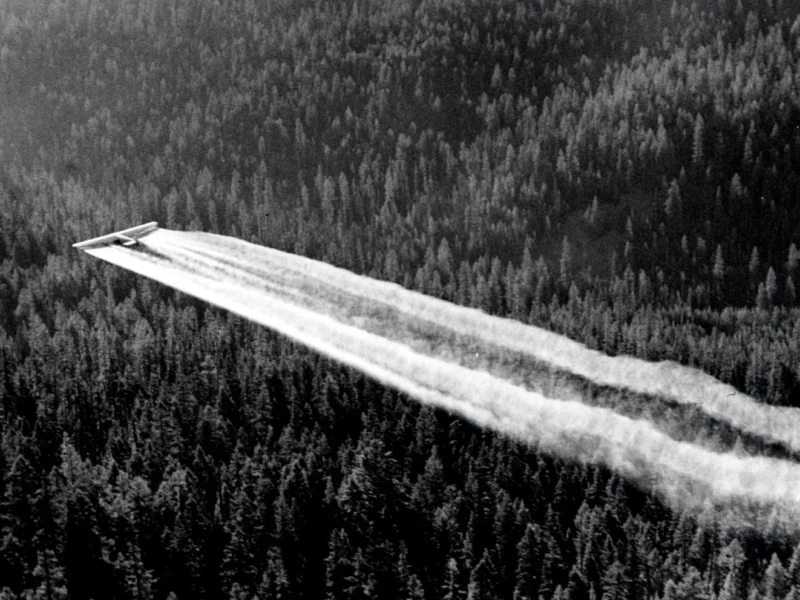
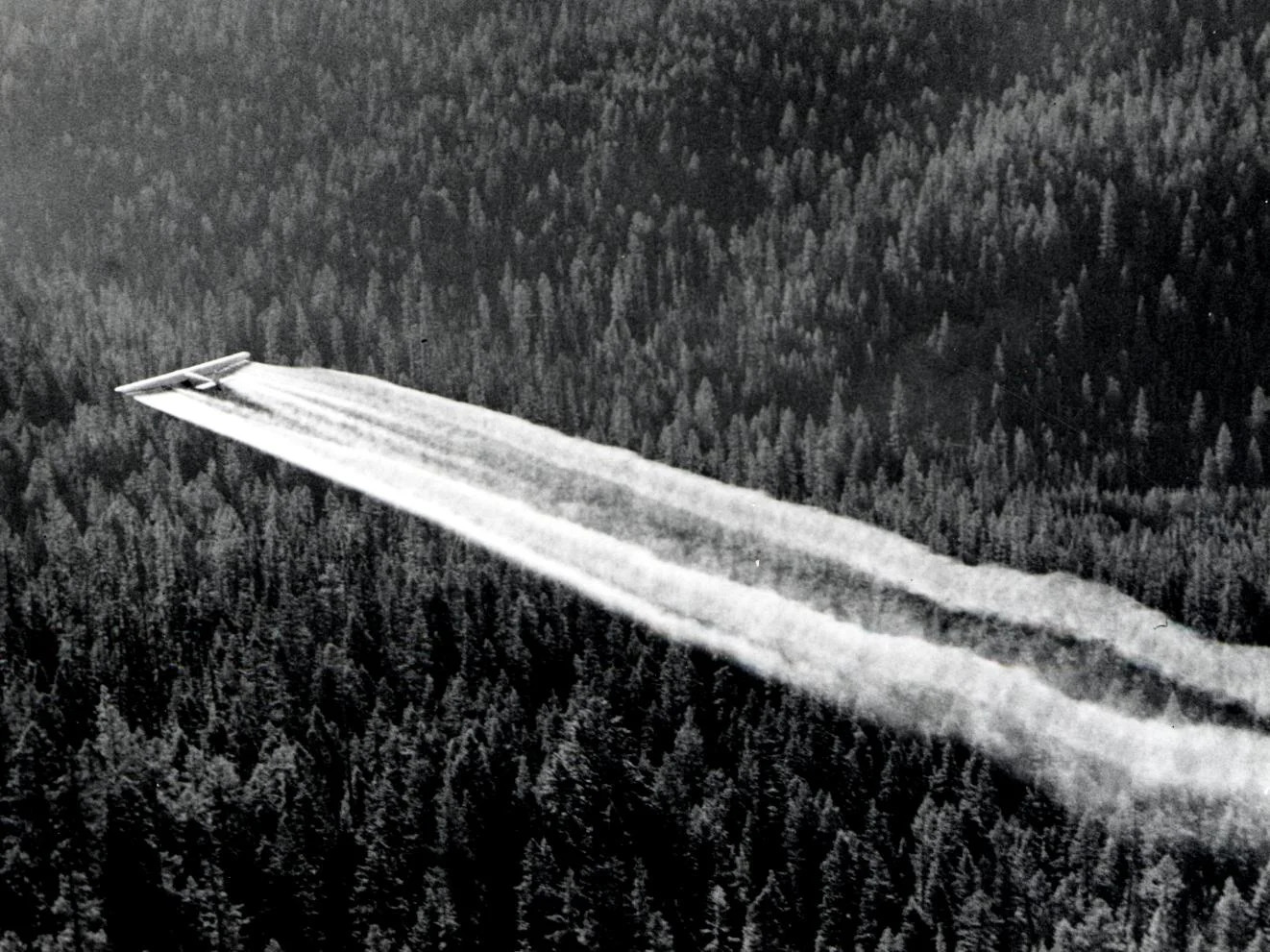
Carson may well have been right that DDT was thinning the eggshells of falcons and eagles, as she claimed. But DDT was a boon to humankind. Paul Hermann Müller, who discovered its potency for killing mosquitoes and other insects, received the Nobel Prize in Physiology or Medicine in 1948. Worldwide, postwar use of DDT dramatically curtailed malaria. It wiped out malaria in the American South; it cut malaria’s incidence in half in India; it almost totally eradicated the disease in South Africa and Taiwan.
DDT had been used commercially since 1945, with no evident harm to people. It was considered so effective and safe that it was undoubtedly used excessively.
The outcry against DDT still raged in 1972, when the Environmental Protection Agency (EPA) was less than two years old. That year, EPA Administrator William Ruckelshaus banned almost all uses of DDT in the U.S. It is likely that his decision was more political than scientific, as it immediately raised the EPA’s stature for taking a stand on such a famous issue.
Other countries followed the U.S.’s lead, and U.S. agencies such as the U.S. Agency for International Development (USAID), which funded health programs in developing countries, began restricting DDT use worldwide. Not surprisingly, rates of malaria rebounded and remain high today.
The EPA’s decision was a disaster. It is an example of “First World” actors failing to see the harm they inflict on millions of people around the world. It epitomizes the hubris of uninformed politicians. Before acting on the next environmental scare, policymakers should wait for the evidence.