A New Factory Isn’t Necessarily a Sign of Growth
Gains to players in the political game do not necessarily mean gains for the rest of us.
November 6, 2026

News Article
Gains to players in the political game do not necessarily mean gains for the rest of us.
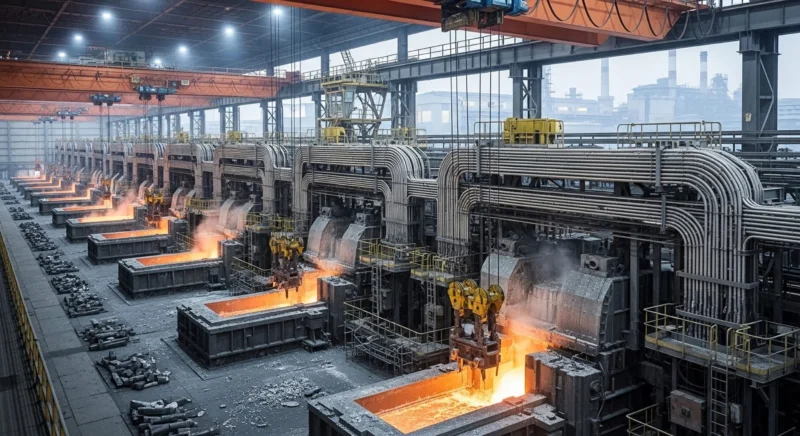
In 1989 The Economist described a Soviet bus factory whose workers took sledgehammers to newly manufactured trucks. The bus factory needed only the truck chassis, but government rules required the truck factory to supply the whole vehicle, most of which the bus makers would destroy. Complying with the rules meant producing things only to smash them.
The workers and managers understood the waste, but changing government standards was harder than dismantling trucks. Individually sensible responses to political directives produced collectively senseless results.
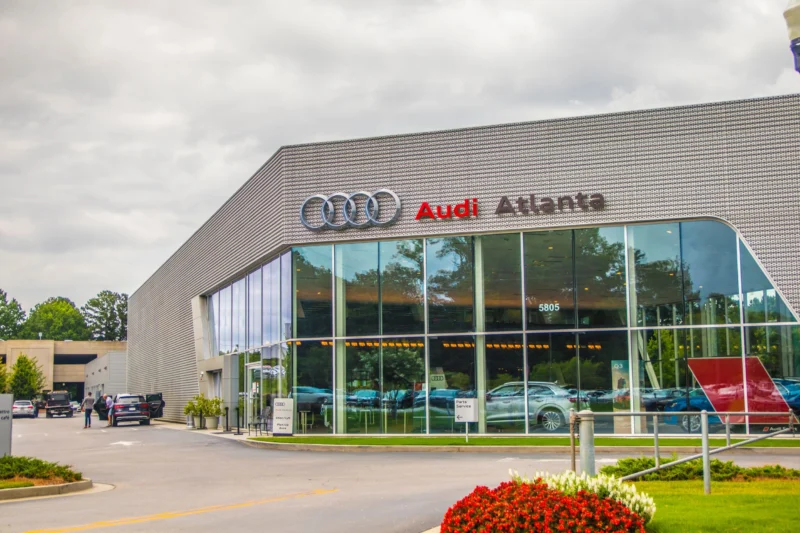
Keep that factory in mind when considering Audi’s proposed $4-billion assembly plant in Georgia.
The announcement seems to vindicate President Trump’s tariff policy. Threaten foreign manufacturers with higher costs; offer relief if they build here; and watch the factories arrive. Manufacturing jobs return; a foreign company makes a substantial investment; and the president claims another successful negotiation. What could be wrong with that?
The benefits to the players in the political game are easy to identify. Audi expects relief from tariffs that have cost it more than $1 billion. Georgia anticipates jobs and investment. The administration gets a factory announcement at a campaign rally. Each has something to celebrate.
But gains to players in the political game do not necessarily mean gains for the rest of us. To understand why, consider the costs and the incentives the arrangement creates.
Tariffs raise the cost of imported vehicles and parts. Producers, dealers, and consumers bear those costs through lower earnings, higher prices, and fewer opportunities for trade. Negotiated tariff relief reduces the burden for qualifying firms while leaving much of the underlying cost in place.
Inducing a company to build a factory does not establish that resources are being used more productively or efficiently. Efficiency has no organized constituency to lobby the government. Tariffs can make an American plant more profitable by making the alternatives more expensive. Avoiding a government-imposed cost becomes part of the company’s profit-and-loss calculations.
Politicians have good reason to emphasize the visible benefits of their decisions, and the Audi factory and its accompanying jobs will be visible. A factory provides a location, an audience, and a ribbon to cut. Costs spread among millions of consumers provide few comparable political opportunities. Concentrated benefits and dispersed costs make attractive politics.
The arrangement also illustrates the logic of what economists call “rent extraction.” Government imposes or threatens a costly restriction and then offers relief in exchange for something politicians value. The political return need not be a campaign contribution. An investment commitment that supplies jobs, favorable publicity, and evidence of presidential effectiveness can be valuable indeed.
Audi has reason to seek relief. The administration has reason to make relief politically rewarding. Neither response requires unusual motives. The rules make the bargain attractive.
The Commerce Department is reportedly developing a broader program offering tariff relief to automakers that invest in American production. Other announced investments may qualify. But officials will have to decide which commitments count and how much relief they deserve.
Businesses will respond accordingly. Executives will devote more attention to satisfying officials. Firms with experienced lobbyists and access to Washington will have advantages over those without them. Resources that could improve products or reduce production costs will instead help secure favorable political treatment.
This is where the Soviet bus factory becomes relevant. American executives retain freedoms Soviet managers lacked, and Audi must still sell cars to willing customers. Yet political directives can distort production decisions in either system. Businesses adapt to the requirements government creates, even when those requirements consume resources without creating value.
In Beyond Politics we examine how institutions turn individually sensible choices into collectively costly outcomes. The lesson applies here. The players in the political game can achieve their objectives while imposing costs on people who have little influence over the bargain.
General, predictable rules encourage businesses to prosper by serving consumers. Negotiated exceptions encourage them to prosper by satisfying politicians.
The Soviet workers used sledgehammers to comply with their government’s requirements. Audi’s executives negotiate tariff relief. The methods differ, but the question remains: how much productive effort must be redirected to accommodate political fiat?
A factory announcement gives politicians something to celebrate. It does not tell us whether they have made the economy more productive—or merely made themselves more necessary to doing business.