The Food Is Fine. The Recall Process Isn’t.
Why increased recall warnings don’t mean our food supply is getting worse.
November 3, 2026

News Article
Why increased recall warnings don’t mean our food supply is getting worse.
Last week, the FDA announced a recall of more than 4.3 million tubes of toothpaste. The recall covers 17 varieties, including several marketed to children under brands like Crayola, Hot Wheels, and My Little Pony. No illnesses or injuries have been reported.
But toothpaste recalls are just the latest in what seems like a never-ending list of products being recalled by the FDA. The public has noticed. A recent survey reported by Fortune finds 94 percent of Americans are concerned about how often food is being recalled, and two-thirds now avoid an entire food category after a single recall.
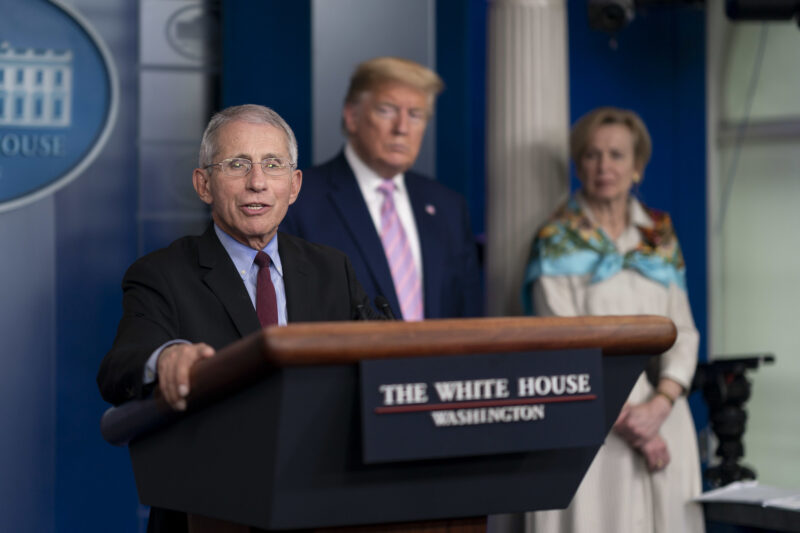
Politicians have joined in and are using food recalls to smear their opponents. The Democratic National Committee posted a list of recalled foods while calling HHS Secretary Robert F. Kennedy Jr. a “complete disaster.” The administration fired back. The FDA, an agency within HHS, claimed, using figures that included drugs and medical devices, that recalls were at their lowest level in over a decade, and warned Americans, “Don’t believe the fake news.”
In the spirit of politics as we’ve come to know it—even the politics of food safety—we should always remember two questions. First, is it true? Second, even if it is true, should addressing it be a political issue?
The answer to the first question seems to be no. According to The Food Institute, food recalls in recent months were actually down 15 percent compared to the five-year average. FDA data compiled by USA Today show an average of 126 food recalls per month under the current administration, compared to 135 under the previous one. I noted the seemingly implausible number of recalls back in June of 2024.
Nor is our food making more of us sick. This summer’s Cyclospora outbreak was a record and shouldn’t be minimized. But for the bacteria behind most foodborne illnesses, outbreaks are trending smaller, and better testing now catches illnesses that once went unnoticed.
So, while the media has certainly been noticing how often the FDA is issuing recalls, it doesn’t seem to be a new concern.
The answer to the second question also seems to be no. The FDA’s recall record looks much the same regardless of which party is in charge. In 2023, it couldn’t get poisoned applesauce off store shelves. For more than a decade, it couldn’t settle on a standardized way to label sunscreen’s UVA protection. A single recall helped trigger the 2022 national infant formula shortage. And the FDA’s own recent checks found that baby formula recalled during an infant botulism outbreak was still being sold at more than 175 stores across 36 states.
Different administrations. Same agency. Same results.
But perhaps the most important question is why it feels like there are so many recalls and warnings. The number of recalls isn’t rising, but the noise is—and the agency’s incentives explain why.
Congress gave the FDA mandatory food recall authority in 2011. The agency first used it in 2018 against a Las Vegas supplement company selling kratom products linked to Salmonella. At the time, I worried the FDA’s incentive to be overly cautious would lead it to lean on that power more often.
It didn’t have to. The threat was enough. Months later, the commissioner promised the agency “won’t hesitate to mandate the removal” of products, and new guidance outlined how companies can recall “voluntarily” before the FDA orders them to. Whether or not any company was ever pushed, a recall hardly feels voluntary when the alternative is being forced into one.
The FDA is blamed when a contaminated product reaches consumers, but it incurs little cost to recall products that pose little risk. So recalls pile up, and each one makes headlines more than once. The toothpaste recall, with no reported illnesses, began in September; it became news when the FDA classified it in October. A plant-based butter recall followed the same timeline, starting in September and resurfacing as breaking news last week. Meanwhile, the recalls that matter most, like infant formula, still slip through.
Government agencies, even after losing 3,500 FDA staff, a commissioner, and nearly half of HHS’s divisions, are still bureaucracies that, as economist William Niskanen observed decades ago, seek to maximize influence and scope of authority. The FDA first flexed its power to recall food about eight years ago. Look how far it’s come.