

Term Limits Abolished in Bukele’s El Salvador
Authoritarianism by popular demand and the illusion of order
August 4, 2025
News Article
Authoritarianism by popular demand and the illusion of order
Listen to the article here:
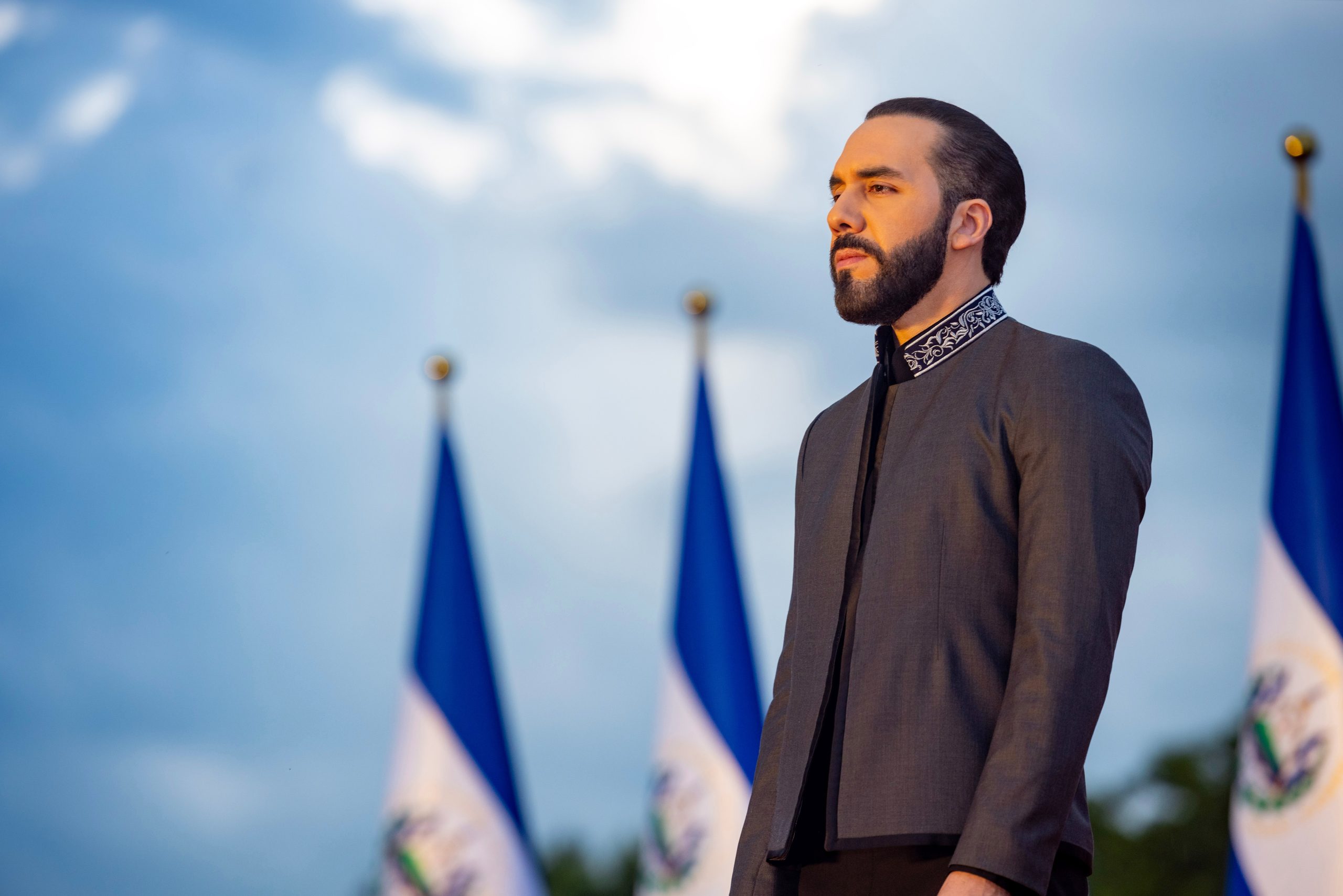
Term limits have been scrapped in El Salvador. The self-proclaimed “coolest dictator in the world” has paved the road to a dictatorship through congressional approval. The forty-four year old Nayib Bukele can now rule for life. This news may not be surprising to some, considering that courts within the country have been flooded with loyalists, extensive human rights violations, such as mass incarceration without due process, have been reported, and the country has been locked in a “state of emergency” since 2022.
George Washington set the precedent that no man should be above the people when he stepped down from the presidency. The Enlightenment’s greatest achievement was the doctrine that political power should not be concentrated. Much of mankind’s social progress came through stripping power from the state, not protecting it. Since the post-Protestant Reformation wars of religion, for example, it was deduced that there needed to be a barrier between church and state and to let individuals pursue their own religious beliefs. Proponents of strongmen might think they are bringing to the table a new way of governance, but the tragedy of the situation is that Bukele’s ascent is a regression for mankind and a betrayal of the spirit of constitutionalism, the notion that the rule of law is superior to the might of men.
Perhaps more worrying is the applause Bukele receives. Commentators cheer for strongmen who promise order and national pride, blind to the historic pattern that guarantees repression and decay as a result. Limits on terms are necessary for sustaining liberty and avoiding centralized power.
For the past three and a half years, Bukele has ruled over his country with an iron fist. Initially, the state of emergency was declared due to widespread gang violence. Under Bukele’s rule, homicide rates have dropped in the country by 97.7% since 2015. While this is nominally an impressive feat—albeit riddled with controversy—Bukele’s successes do not mean that he should be able to rule for life. In any case, any person could drastically reduce crime by imprisoning everyone. If the whole population were behind bars, the streets would be free of crime. But such a society is a dystopia, not a triumph.
Bukele’s actions are not done in isolation; it is the predictable consequence of constitutional backsliding, where citizens get seduced by spectacle and short-term wins over their enemies, unwittingly dismantling the institutions of law, while purporting they are upholders of the law. El Salvador does not have to look far beyond its borders to see the effects of fascist dictatorships. Nicolás Maduro has now ruled Venezuela for over a decade, during which his own economic policies have exacerbated social inequality and increased poverty.
Since Bukele took charge, decreased homicide rates have stolen the headlines, but poverty rates have continued to rise. El Salvador remains an incredibly economically unfree country. Close to one million Salvadorans are facing starvation, struggling to buy basic necessities. Urban workers average a take home pay of $240.36 USD a month, amounting to a piddling $2,884.32 USD a year.
As Bukele’s reign continues, his spinning of the law may endure. This “president” has consistently shown that he does not care for what his country’s constitution states. He showed deliberate disregard for Supreme Court rulings pertaining to COVID-19 measures—detaining people for breaking his interpretation of at home quarantine rules. This behavior establishes the precedent for a slippery slope. New emergencies will continue to appear as he expands his power, infringing on the lives of the everyday citizen.
Freedom of expression, a constitutional right, is now being attacked. An increasing number of reports have raised concerns about press freedom violations, he has barred access to hide his government’s dealings and continually vilified journalists. The recently passed Foreign Agents Law aims to silence opposition in the country. Bukele now has the executive power to tax recipients of foreign funds, which threatens freedom of the press.
Countries around the world should view Bukele’s rule as an example of what can happen when one man is granted too much power. The glorification of singular figures as the embodiment of a national will and a disdain for checks and balances is a vicious combination. Nayib Bukele set out to make a safer El Salvador and he has achieved that, but there must be a limit on the powers of an executive who continues to infringe on the rights of the people. With this recent congressional approval, that limit seems unlikely.