Becerra Takes the Gravy Train
New California governor promised to complete bankrupt bullet-train “on time and on budget.”
November 6, 2026

News Article
New California governor promised to complete bankrupt bullet-train “on time and on budget.”
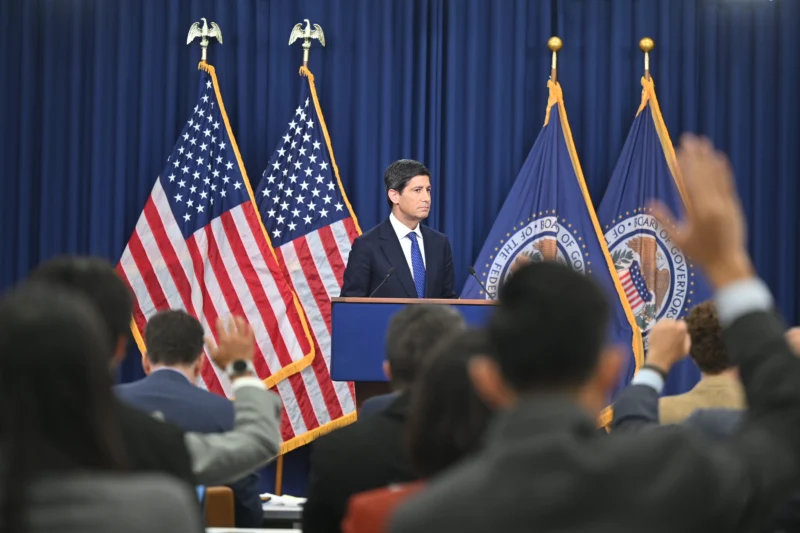
Xavier Becerra, California’s governor-elect, is on record that he would finish the state’s high-speed rail project “on budget and on time.” He seems to have missed what the current governor said about the project.
“It’s a $68 plus billion project they just announced two months ago, went up another billion just for this new 130-mile first phase,” said Lt. Gov. Gavin Newsom back in 2014. “We started with 33 billion, and it went to 96.” The bonds would “double the cost” to taxpayers and there was no private sector money. Therefore, “the facts seem overwhelming that this project is not going to materialize in our lifetime.”
If Newsom lives to 88, the current age of recurring governor Jerry Brown, the project would be completed in 2055. Since the official completion date was 2020, it’s hard to know what Becerra meant by “on time.” On the budget and management side, news came in shortly before the election.
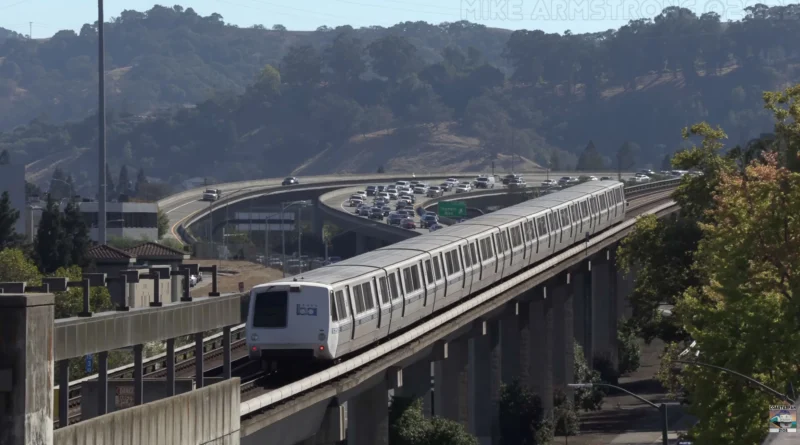
Ian Choudri, CEO of California’s high-speed rail project, resigned last week in the wake of a report revealing close to $600,000 in travel expenses “unrelated to state business.” Choudri was hired in 2024 to head a project that would empower Californians to travel from Los Angeles to San Francisco in about two hours, at speeds of 200 mph.
Nearly two decades after the “bullet train” project was launched in 2008, no track has been laid and not a single passenger boarded. The original cost of $33 billion has now soared to $126 billion, possibly more. Californians have a right to know where all the money went.
The main beneficiaries of the high-speed rail project “are not California residents but consulting firms that bankrolled the ballot measure,” note Christopher Rufo and Kenneth Shrupp of City Journal. “The scheme is straightforward: the contractors back the bullet-train boondoggle and shuffle money to politicians.” They direct money to firms to perform endless environmental reviews.
As Rufo and Shrupp learned from official documents, those reviews include dogs sniffing for lizard scat, the counting of bumblebees, digging burrows for mammals and so forth. An “overhead tube” to limit the “acoustic impacts on waterfowl and shorebirds,” cost a full $119.4 million. As the authors conclude, California’s high-speed rail project is “a massive gravy train,” built “not to move people but money, for as long as possible—with taxpayers footing the bill.”
Gavin Newsom carried his original skepticism into the governor’s office. “The current project, as planned, would cost too much and respectfully take too long,” Newsom said in his first state of the state address. “There’s been too little oversight and not enough transparency.” That was soon forgotten and Gov. Newsom became the project’s biggest supporter.
In January of 2025, the governor joined Ian Choudry near Bakersfield, where he proclaimed “we’re moving into the track-laying phase, completing structures for key segments, and laying the groundwork for a high-speed rail network,” and so on. Nearly two years later, Choudry is gone, no track has been laid, and not a single train is running.
On the other hand, high-speed rail still works well for the movement of money, and that could explain continued support from Newsom and Becerra. If California taxpayers believed the Golden State will be the same as the old boss, it would be hard to blame them.