Make Congress Great Again
Restoring the Framers’ vision will require significant electoral and congressional reforms.
September 23, 2026

News Article
Restoring the Framers’ vision will require significant electoral and congressional reforms.
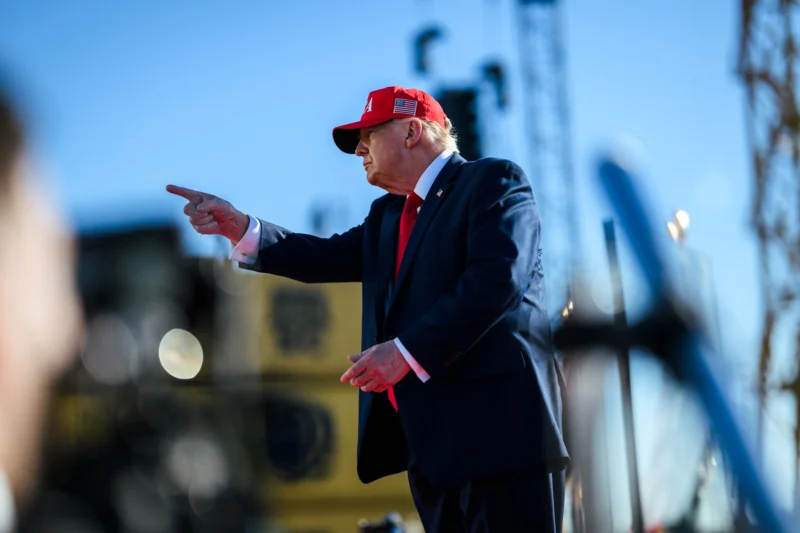
President Trump attacked Iran without approval from Congress, as was the Framers’ intent regarding offensive warfare, made plain in the debates at the Constitutional Convention. Trump also violated the War Powers Resolution of 1973 by not withdrawing U.S. forces within 60 to 90 days when Congress hadn’t declared war, given its legal approval or extended the statutory deadline—none of which happened.
This is just one more recent example of a hyper-imperial executive thumbing his nose at a quiescent Congress. Yet the Constitution’s Framers intended for Congress, not the executive, to be the dominant branch of government; an independent executive and judiciary were meant to counteract and contain some of this predicted legislative preeminence.
In contrast to the ahistorical unitary executive theory, which self-servingly gelled only during the Ronald Reagan presidency and has now infested the Supreme Court, the historical record during the early republic includes presidential deference to Congress. For example, Congress dictated the objectives and rules of engagement for wars in the early republic for the president to execute—and then only as commander in chief of the forces once engaged.
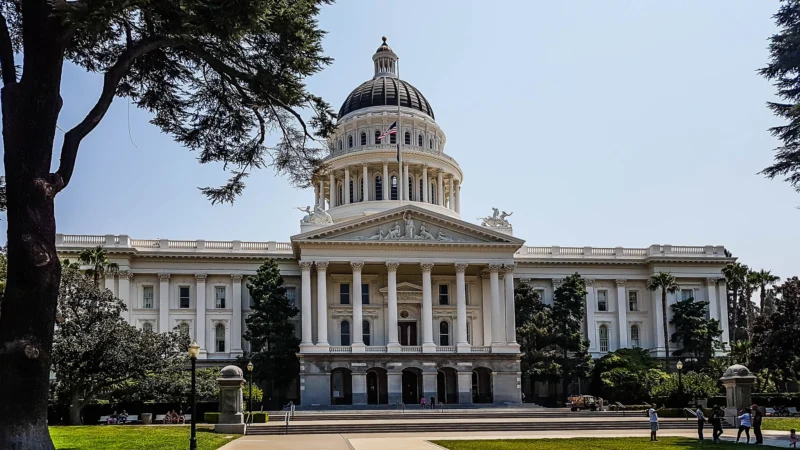
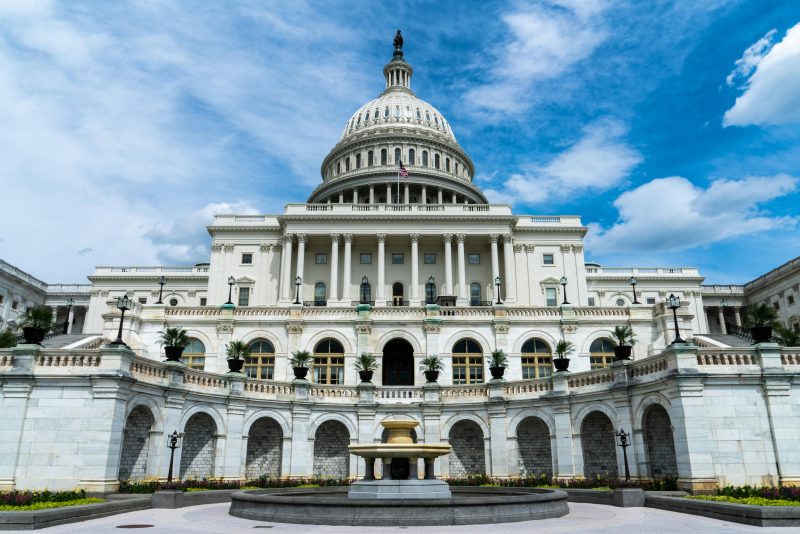
However, after 2 1/2 centuries, the United States now has a presidency tending toward authoritarianism, a hyperactive Supreme Court and a supine Congress—instead of the dominant legislative branch that the Framers envisioned. How can Congress restore the Framers’ intended balance among the branches by reclaiming its constitutional war power, as well as shoring up its eroded budgetary, treaty-ratifying and other important powers?
The current Persian Gulf fiasco, launched on an executive lark, is compelling evidence that the Framers were right that war is too important to be left to one person’s whims. In Federalist No. 69, while explaining and defending the proposed Constitution, Alexander Hamilton, an outspoken advocate of executive power among the Framers, acknowledged the following about the president’s limited power as commander in chief of the armed forces:
“The President is to be commander-in-chief of the army and navy of the United States. In this respect, his authority would be nominally the same with that of the king of Great Britain, but in substance much inferior to it. It would amount to nothing more than the supreme command and direction of the military and naval forces, as first General and admiral of the Confederacy; while that of the British king extends to the declaring of war and to the raising and regulating of fleets and armies, all which, by the Constitution under consideration, would appertain to the legislature.”
Furthermore, the president’s complete disregard for Congress in taking the nation into an offensive war—which has become a martial bog—without getting approval from the legislative body illustrates the wider problem of Congress’ surrender of many of its powers to other branches of government.
Restoring the Framers’ vision by repairing their now-damaged system of checks and balances among the branches—which is vital to retaining the rule of law and guaranteeing citizens’ civil liberties—will require significant electoral and congressional reforms. These reforms would likely reduce partisan polarization in the two-party duopoly that has either made the chambers of Congress virtual slaves to a president of the same party or ensured legislative gridlock when the presidency and at least one chamber of Congress are controlled by the opposition—the latter further strengthening the executive branch and Supreme Court. Also, a moderate decentralization of Congress would actually enhance its power vis-à-vis those hyperactive branches.
Electorally, single-member congressional districts with plurality election winners—not required by the Constitution but only by a 1967 law that could be easily repealed—should be scrapped in favor of multi-member congressional districts with proportional representation. If implemented, this reform could reduce, or even eliminate, gerrymandering.
If this is too radical, the more libertarian idea of people choosing the single-member district in which they’d like to vote could be adopted to create a more representative legislature. Also, to get more moderate congressional candidates from both parties, heavily regulated, state-controlled primaries should be abandoned and private political parties allowed to nominate candidates in any manner they choose, thus strengthening the role of those much-diminished organizations.
Finally, the hodgepodge of illogical and distorting campaign finance laws and regulations needs to be radically streamlined to require the disclosure of all contributions and perhaps strengthen incentives for contributors to give through moderating party institutions.
Electoral reforms to reduce congressional polarization and encourage moderation should then rejuvenate Congress’ power vis-à-vis the executive through the counterintuitive process of moderately decentralizing both chambers of the legislature. This organizational reform would restore deliberation and the needed negotiation of legislation by expert committees rather than through the current top-down, fiat decision-making by the chambers’ party leadership.
Congress needs better, more assertive policymaking to restore the balance of power among the branches and eliminate the legislative vacuum the imperial presidency and Supreme Court have filled, to the country’s extreme detriment.