The Supreme Court Is the Last Functional Part of the Government
SCOTUS shines amid overreach from the executive and a negligent Congress.
May 21, 2026

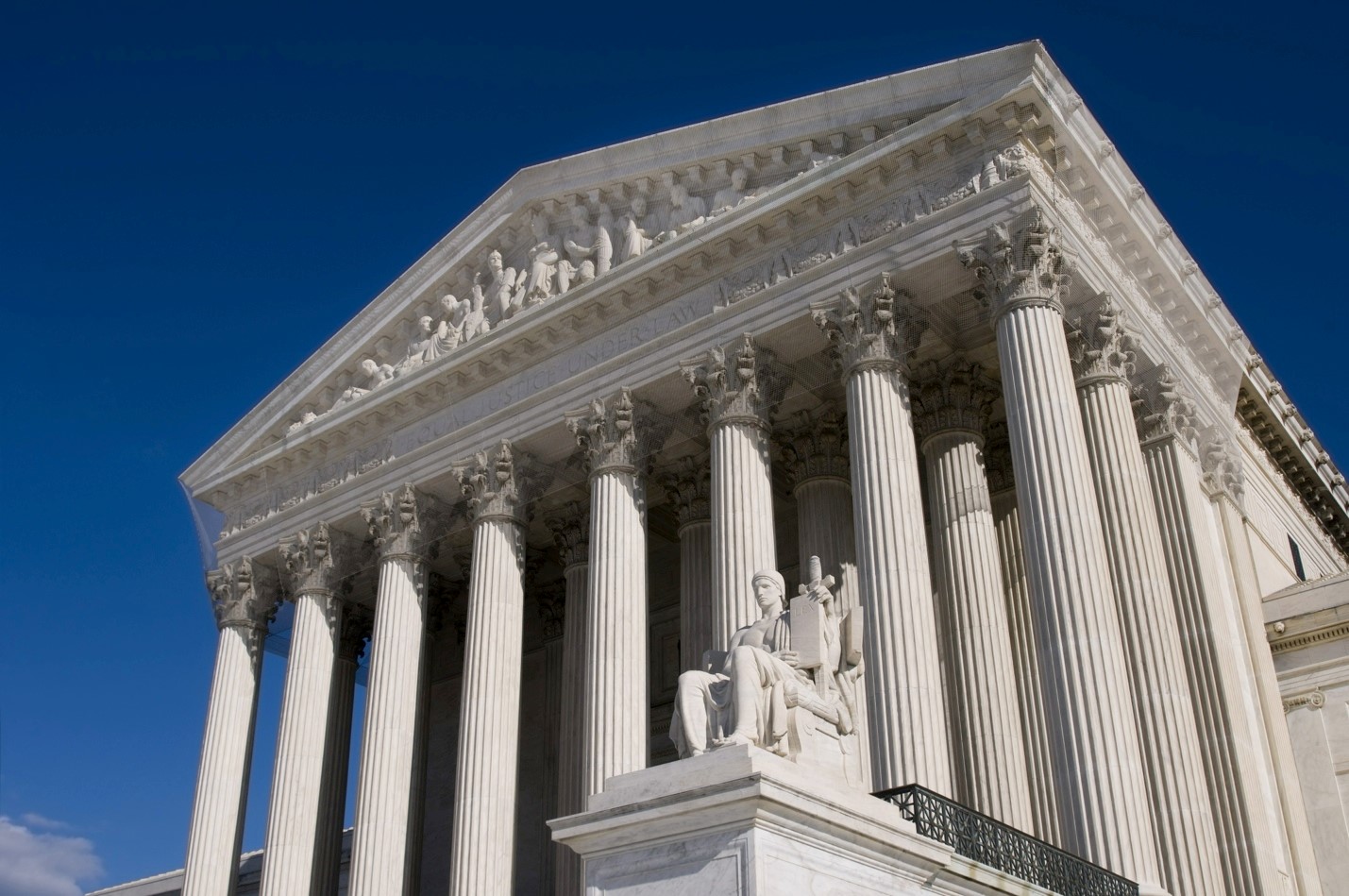
Mere weeks apart, the Supreme Court struck down both President Trump’s “liberation day” tariff regime and race-based gerrymandering in Louisiana that was instituted in an effort to expand the power of the Democratic Party. The fact that both a Republican president and Democratic Congressional leadership are up in arms highlights the unfortunate fact that the adults left the room a long time ago, and the judiciary is now tasked with babysitting the federal government.
The Founders believed, understandably, that each branch of government would jealously guard its own authority. Unfortunately, they could not have foreseen our modern legislature, which often enthusiastically cedes power to the executive branch. Beginning with the 1934 Reciprocal Trade Agreements Act, all the way through the International Emergency Economic Powers Act (IEEPA) of 1977, Congress essentially washed its hands of responsibility over trade policy and tariffs. In another hit to Article 1 of the Constitution, Congress has all but given up its war powers. The U.S./Israeli war with Iran is now well-past the 60 day threshold for the president to withdraw forces from a conflict barring authorization from Congress, as mandated by the 1973 War Powers Resolution. The legislature has not formally declared war since 1943. Many congressmen and senators appear to be more interested in media hits than performing the duties of their office. Aside from passing the occasional pork-ridden omnibus spending package, Congress has essentially become a social media content factory with subpoena power.
Power vacuums never stay empty, and modern presidents routinely govern like elected monarchs. Executive orders and emergency declarations are commonly used to circumvent constitutional limitations on executive power, and federal agencies, run by unelected bureaucrats, are happy to absorb the authority delegated to them by Congress. Former President Obama’s “pen and phone” comment in 2014 highlighted the level of disdain modern presidents have towards our founding documents. “We are not just going to be waiting for legislation in order to make sure that we’re providing Americans the kind of help that they need. I’ve got a pen, and I’ve got a phone,” he told his Cabinet.
Despite the vitriol levied at it by whatever political party recently had their bad ideas thrown out of court, the Supreme Court continues to protect the American taxpayer from the excesses of partisans on both sides. In Biden v. Nebraska (2023,) the Court struck down the former president’s illegal, vote-buying student loan forgiveness scheme. When President Biden attempted to use OSHA to force the COVID-19 vaccines on eighty million Americans, the Court ruled in NFIB v. OSHA (2022) that the Occupational Safety and Health Administration had no such authority.
On February 20th, the Court ruled in Learning Resources v. Trump that the IEEPA does not allow the president to impose broad tariffs, and the U.S. Court of International Trade later ruled against the president’s additional 10% global tariff. In Louisiana v. Callais, SCOTUS ruled 6-3 against race-based gerrymandering on 14th Amendment grounds, dealing a blow to partisans who attempt to leverage race in order to gain power. In 2022, the Supreme Court correctly ruled in Dobbs v. Jackson Women’s Health Organization that the Constitution does not confer a federal right to abortion, and in New York State Rifle and Pistol Association, Inc v. Bruen, that the Second Amendment protects the right to carry a handgun in public for self-defense, dealing a massive blow to authoritarian gun laws in New York and beyond.
The Founders likely would not recognize much of our modern federal government as we approach the nation’s 250th birthday. From an absentee Congress to an executive branch run amok, many protections written into the Constitution and Bill of Rights have been largely ignored. The Supreme Court, however, is operating, by and large, as designed.