Trump Must Take Responsibility For High Fuel Prices
Shifting blame to Ukraine ignores the real driver of soaring global energy costs: the conflict with Iran.
September 29, 2026

News Article
Shifting blame to Ukraine ignores the real driver of soaring global energy costs: the conflict with Iran.
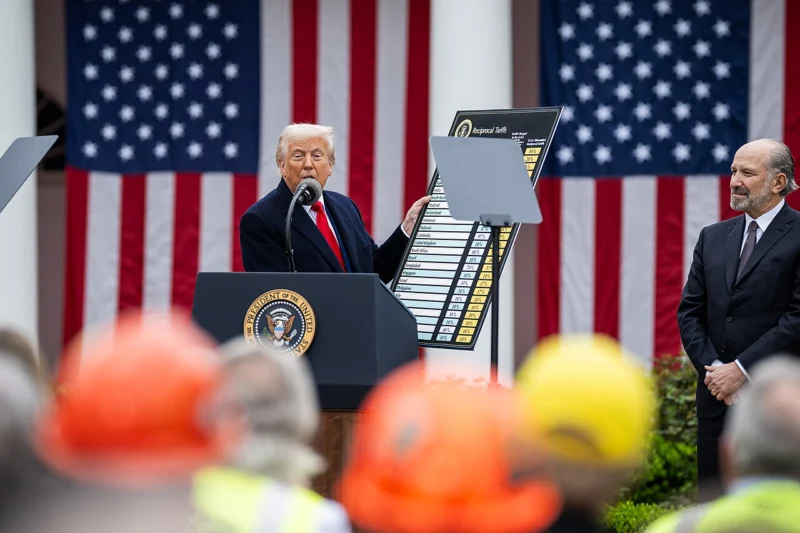
In an attempt to shift blame for high U.S. fuel prices from his unnecessary and counterproductive attack on Iran, President Donald Trump recently called Ukrainian President Volodymyr Zelenskyy to ask him to quit targeting Russia’s oil refineries in retaliation for Russia’s aggressive war on his country. The call came after perhaps the biggest Ukrainian attack on Russia since it attacked Ukraine four-and-a-half years ago, a strike which damaged a large Russian refinery. Trump had earlier blamed Kyiv for the escalating energy war.
Trump exhibits supreme chutzpah in asking Ukrainians to pull their punches against blatant Russian aggression, merely to reduce the fuel bills of Americans and bail out his supine political party from his own administration’s record. Whatever other factors are in play, we are safe from all the violence on the other side of the world. Ukraine has lost hundreds of thousands of lives, both military and civilian, and has been victimized by wanton destruction from Russian air attacks.
Zelenskyy told Trump that he would end drone and missile strikes against enemy energy targets if Russia did the same; but the next day, he resumed Ukrainian air attacks on Russian refineries.
The Real Cause Behind High Fuel Prices
Of course, because a worldwide market for oil (and therefore petroleum products) exists, any reduction in Russian exports of refined products does raise the market cost of those products. But Trump is disingenuous in blaming Ukraine, when his war with Iran has substantially reduced oil exports through the Strait of Hormuz, through which 20 percent of the world’s supply normally flows. What’s worse, in a widening of this foolish war, Iran-supported proxy groups in Iraq and Yemen have begun attacking Saudi Arabia’s oil infrastructure, ports, and tankers in the Red Sea and Strait of Bab al-Mandab; these normally account for another seven percent of the world’s oil traffic. All these conflicts have resulted in dramatically soaring refined gasoline and fertilizer prices and record diesel fuel prices.
The problem with Trump’s blame game is that it would be much easier for him to end his war with Iran, reducing pain at the pump for U.S. voters and the world, than it would be for Ukraine to stop its air attacks on Russia, as long as Russian dictator Vladimir Putin fails to end his potentially existential air attacks on Ukrainian energy infrastructure and civilian targets. As winter nears, Putin is unlikely to stop the onslaught and pass up another chance to freeze Ukrainians as the weather turns colder. Although he has tried this tactic unsuccessfully in previous winters, Putin likely will not forgo another chance to torment Ukraine’s population to impel them to pressure their government to end the war on terms to his liking. Yet, in all likelihood, such suffering inflicted on Ukrainian civilians merely makes them rally around their admittedly imperfect government.
A Path to Lowering Gas and Fuel Prices
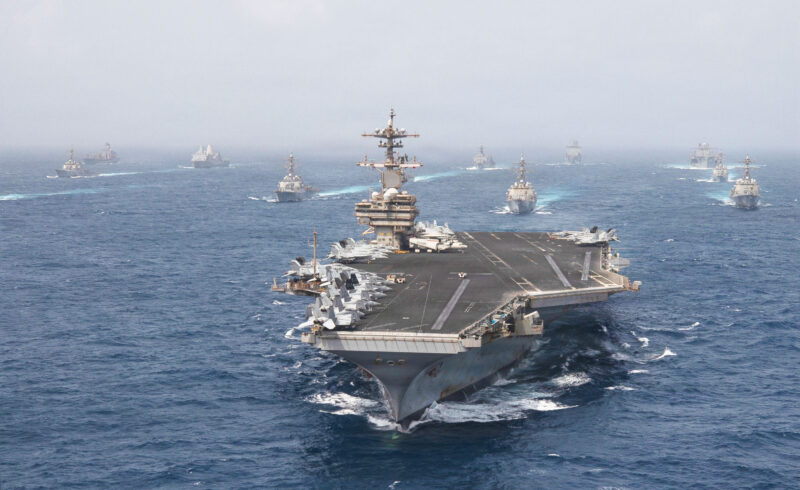
The Iranians have offered to reopen the Strait of Hormuz if the United States ends its naval blockade of Iranian ports, its economic sanctions on Iran’s oil exports, the war in all areas (including Lebanon), and unfreezes Iranian assets held by the United States. Returning the Iranians’ long-impounded assets is not bribery but merely the return of what is theirs. Trump should take this deal, declare victory, and withdraw attacking U.S. forces from the region. This, far more than Ukraine’s acquiescence, would relieve the strain of high fuel prices on consumers in the United States and worldwide. But Trump’s psychology of always needing to appear victorious could prevent him from prudently cutting his losses and make the war grind on indefinitely.