Tariffs Are Even Less Popular than the Iran War
War is an easy scapegoat, but the GOP’s problems go far beyond Iran.
September 25, 2026
News Article
War is an easy scapegoat, but the GOP’s problems go far beyond Iran.
The Midterms are less than two months away and according to most polls, the Republican Party is on track to take a beating. Of course, the Midterms are notoriously difficult for the party in power, but President Trump’s wildly unpopular moves in both economic and foreign policy risk relegating his administration to lame-duck status come November.
The President’s approval rating now sits below 40% according to the Real Clear Politics polling average. Democrats lead Republicans by a whopping 8.6% on the generic congressional ballot, and GOP candidates are trailing in a plethora of states that Donald Trump won in 2024. On the Senate side, incumbent Senators Jon Husted of Ohio, Dan Sullivan of Alaska, and Roger Marshall of Kansas, along with former U.S. Representative Mike Rogers of Michigan and Texas Attorney General Ken Paxton are all narrowly trailing their Democratic rivals, while former Republican National Committee chairman Michael Whatley is getting dog-walked by former North Carolina Governor Roy Cooper. Republicans also currently trail in the Ohio, Alaska, Arizona, Nevada, Wisconsin, Iowa, and Michigan gubernatorial races.
“We’ve got to talk about the economy. We’ve got to talk about the cost of living. This weekend, I’m going to Kansas, Nebraska, and Iowa to help raise money and campaign for our very good candidates..” said Senator John Kennedy (R-LA) “If you told me six months ago I was going to be having to spend my time in those three states, I wouldn’t have believed you. Those oughta be fat-guy layups for us. Now we’re gonna win there. But the races are close.”
If you listen to pundits, the cause of both the President and his party’s electoral struggles is the war in Iran. The war is deeply unpopular, 61% of voters disapprove of Trump’s handling of the conflict. Fuel prices have exploded since the beginning of the war and Iran’s predictable moves to control or at least disrupt shipping in the Strait of Hormuz. The price of gasoline has risen nearly 50% since February and diesel is up a whopping 75%. Bombs make headlines, and there are constituencies on both the far-left and far-right who have a particular obsession with the state of Israel, making conflict in the Middle East an easy scapegoat, but this misses the root cause of the Right’s current woes.
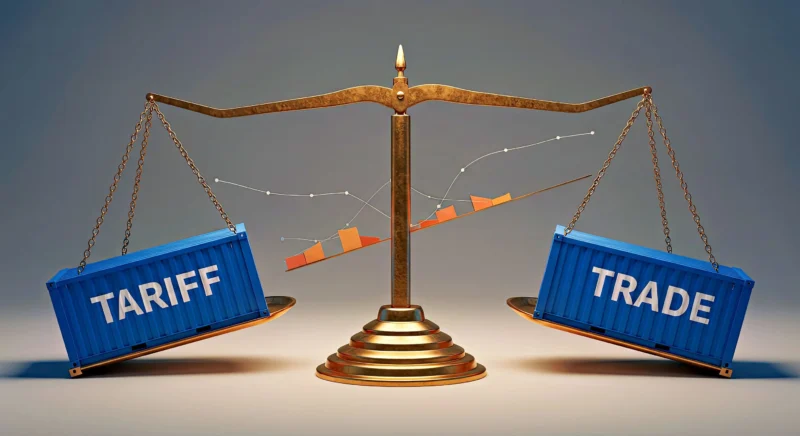
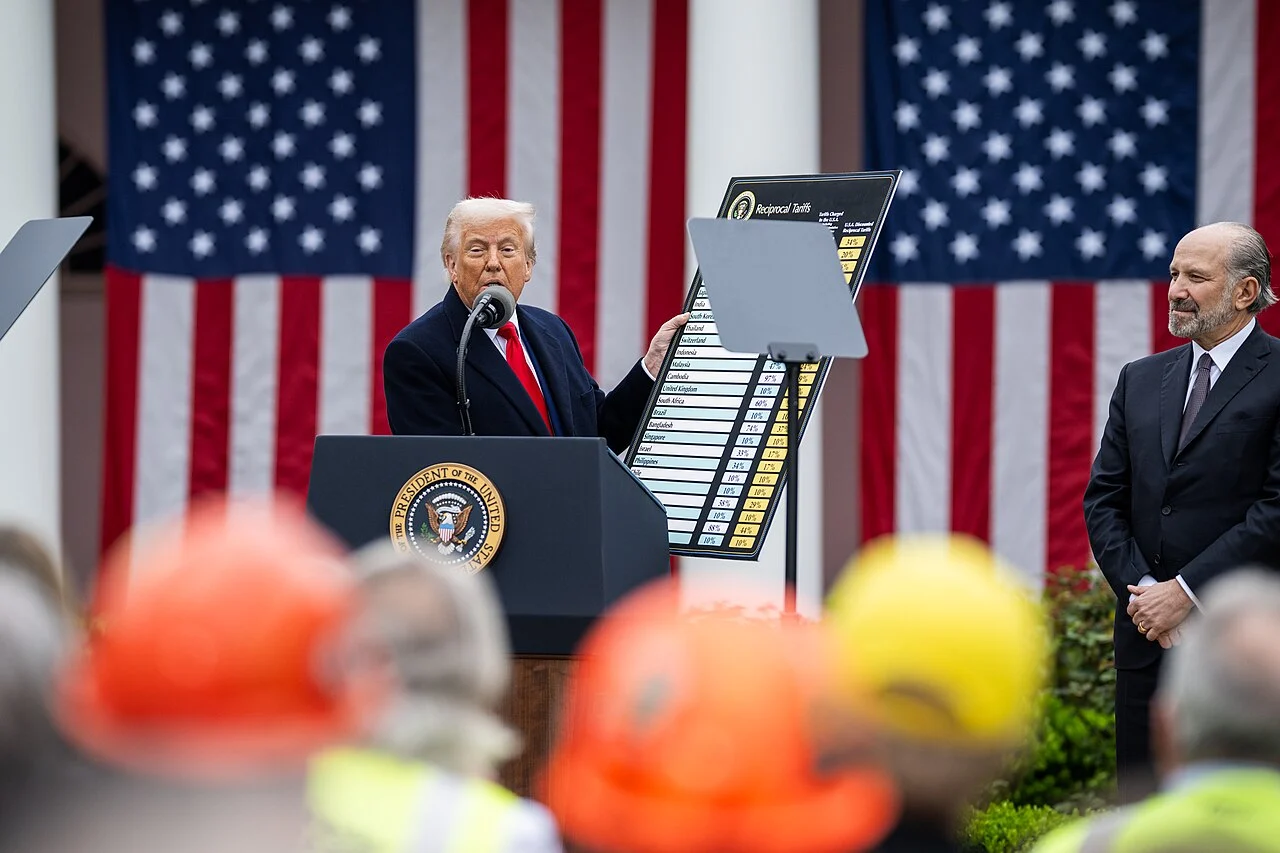
President Trump’s polling numbers took a steep dive following the implementation of his “liberation day” tariff regime in April 2025 and never recovered. The President has imposed tariffs, had them overruled by the courts, and reimposed tariffs on allies and economic opponents alike repeatedly over the last year and a half. POTUS has refused the many off-ramps offered to him, often by judges and Supreme Court Justices he himself nominated. Trump’s current protectionist focus lies squarely on our neighbors to the north, which is doing Republicans no favors in states such as Michigan and Ohio, which conducted nearly $95 billion in two-way trade with Canada combined in 2025. That number does not include tourism, cross-border workers, or the all-important just-in-time automotive manufacturing supply chain that stretches across the American Midwest and Ontario. The Average American household faces roughly $1,000 in tariff costs in 2026. Due to the fact that Michigan is a manufacturing and automotive import hub, and borders Canada, the state’s tariff exposure is significantly higher; a whopping $5,600 according to the National Taxpayers Union Foundation.
A recent survey released by Cato Institute found that a 70% supermajority of voters believe the President should be required to obtain congressional approval before imposing new tariffs. This includes 86% of Democrats and a surprising 56% of Republicans. 75% of voters say tariffs will be important to their Midterm vote, 74% say tariffs raised consumer prices, and 53% believe that Trump’s tariffs have weakened the American economy. Donald Trump’s polling numbers on the economy generally and inflation are both lower than his marks on his handling of the Iran War.
Trump’s decision to wage war in the Middle East sent shockwaves throughout the energy market and pushed prices at the pump to painful levels. While energy spikes act as a temporary tax on travel, unilateral tariffs have acted as a permanent, structural tax on just about everything else. If and when Republicans get shellacked in November, political operatives will undoubtedly blame foreign allies and Middle East conflicts, missing the fundamental truth that you cannot tax your own populace into prosperity. Public pushback is not just a political warning sign; it is a reaffirmation that Americans reject both state-managed economics and perpetual foreign entanglements. Washington should stop viewing free markets as a threat and return to a policy of open trade and constitutional restraint.