Addressing U.S. Government Fraud Issues
May 5, 2026

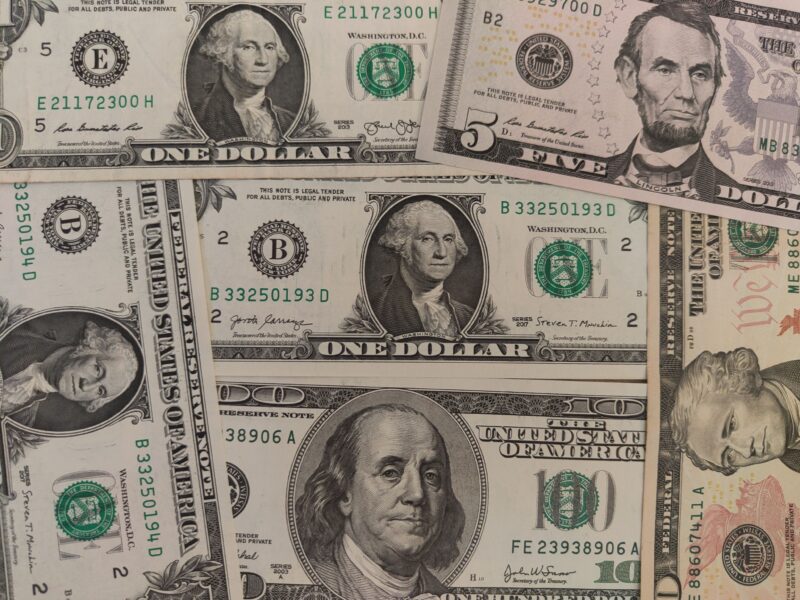
No matter how you slice it, the U.S. government has a major fraud problem. The federal government’s watchdog agency, the General Accounting Office (GAO), estimates that about half a trillion dollars will be lost to fraud this year.
Let’s put that number a little differently. In February 2026, just three months ago, the Congressional Budget Office projected the U.S. government would spend a net total of $7.448 trillion this year. Half a trillion dollars is about 1 out of every 15 dollars the federal government will spend in 2026. The GAO says Washington, D.C.’s politicians and bureaucrats might as well just flush that money down a bottomless sewer.
Why not? If they did, they would have just as much to show for it.
That kind of preventable waste sticks in the craw of at least one group of 14 senators, who have decided to escalate the issue. Inspired by the 2025’s “Big Beautiful Bill”, they’ve proposed combining 17 different smaller measures into one big beautiful anti-fraud bill: the Protecting American Taxpayers Act (PATA).
Seventeen Small Anti-Fraud Measures Grouped Into One Big New Bill
The Washington Stand‘s Mark Tapscott summarizes the various previously introduced anti-fraud bills that are being combined into the larger bill to try to increase their chance of becoming law:
- S.3727 – Stop Fraud Before Payment Act, originally introduced by Ernst, and S.3642, the WALZ Act sponsored by Marshall. Together, these two measures require federal payments to be made as reimbursements only after a service has been provided.
- S.1047 – Assisting Small Businesses, Not Fraudsters Act proposed by Senator Todd Young (R-Ind.) to prevent criminals convicted of defrauding the Small Business Administration (SBA) from receiving future assistance.
- S.3166 – Returning Unspent COVID Funds Act proposed by Ernst to claw back unspent COVID funding totaling more than $65 billion.
- S.2732 – Bonuses for Cost-Cutters Act from Senator Rand Paul (R-Ky.), which would allow Inspectors General to pay bonuses to members of their staffs who uncover fraud and waste in government programs.
- S.747 – Improper Payments Transparency Act, first introduced by Senator Pete Ricketts (R-Neb.) to require clear data on improper payments in the president’s annual budget request to Congress.
- S.1567 – JOBS for Success Act that Senator Steve Daines (R-Mont.) introduced, which reforms the Temporary Assistance for Needy Families program to upgrade agency reporting and measure improper payments.
- S.3610 – No Funding for Foreign Agents Act from Senator Jim Banks (R-Ind.) would prohibit federal tax dollars from going to any foreign country or its affiliates that are covered by U.S. travel bans or arms embargos.
- S.226 – No Tax Dollars for Terrorists Act, first proposed by Senator Tim Sheehy (R-Mont.) mandating disclosure of cash assistance in Afghanistan to prevent Taliban access.
- S.872 – Stop Secret Spending Act from Ernst to require full disclosure of tax dollars that are otherwise hidden from the public via “Other Transaction Agreements.”
- S.2117 – Preventing Deep Fake Scams Act introduced by Senator Jon Husted (R-Ohio) to create a federal task force to combat deep fake scams.
- S.1199 – SBA FRAUD Enforcement Extension Act from Ernst and S.121 – Recover Fraudulent COVID Funds Act sponsored by Senator James Lankford (R-Okla.) to ensure recovery of fraudulently obtained COVID funds and extend the statute of limitations to ensure COVID criminals are caught and held accountable.
- S.1991 – Fraud Alert Systems Act from Ernst requires the Department of the Treasury to have a description of every payment and cross-check it.
- S.3746 – Stopping Transfers of Public Funds Abroad Act from Senator Bernie Moreno (R-Ohio) requires certification of individuals seeking to conduct international wire transfers certify that they do not receive public assistance.
- S.2683 – VSAFE Act of 2025 sponsored by Senator John Cornyn (R-Texas) provides consistent scam prevention guidance for veterans.
- S.874 – Expanding Whistleblower Protection for Contractors Act of 2025 first introduced by Senator Gary Peters (D-Mich.) to close existing loopholes in whistleblower protection laws and thereby ensure that more honest federal workers with knowledge of fraudulent spending come forward and cooperate with law enforcement.
Altogether, these 17 anti-fraud bills could reduce the amount the U.S. government loses to fraud by $240 billion, according to their sponsors.
But the real question is, how will the other 86 senators vote on a measure that would reduce the U.S. government’s spending that goes to support fraudsters? They have already proven they can all but ignore individual measures with no political consequences. Will that still be true if they take a recorded vote on all of them together?
Would that not be better than allowing business as usual to continue? Especially when they might as well light $1 out of every $15 the U.S. government will spend this year on fire before they send it out?