A Pocketful of Rescissions
The seldom‑used budget tool has attracted attention on Capitol Hill.
October 2, 2026

News Article
The seldom‑used budget tool has attracted attention on Capitol Hill.
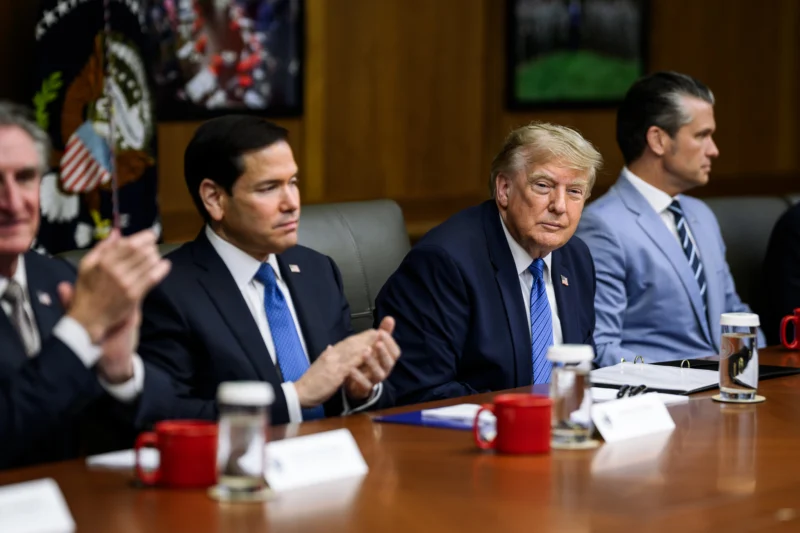
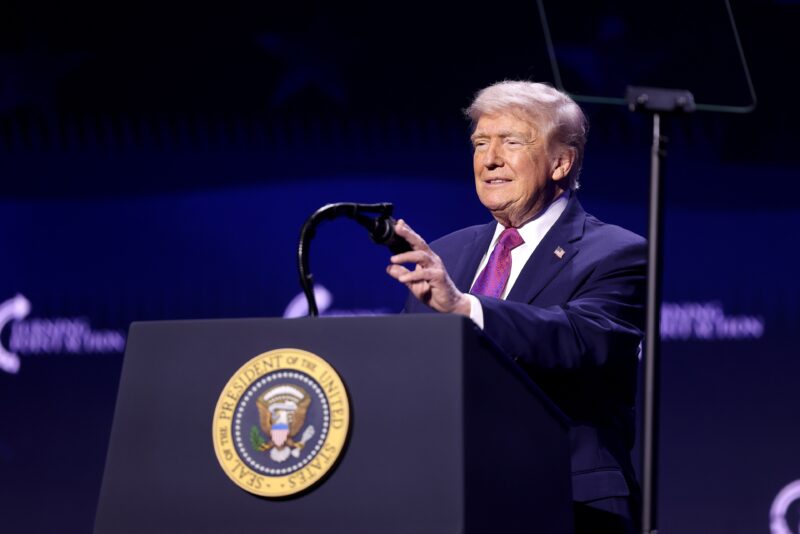
President Donald Trump has once again used an unusual method called a pocket rescission to cut U.S. government spending. Coming just days before the end of the federal government’s 2026 fiscal year on September 30, the move will cancel $810 million of the $7.45 trillion of spending authorized by the U.S. Congress.
Time‘s Rebecca Schneid identifies what spending is being canceled:
Over half of the cuts would land on the Health and Human Services (HHS) Department’s Office of Refugee Resettlement, according to a request sent to House Speaker Mike Johnson on Friday. It said that rescinding the funds is “consistent with the Administration’s goal of ending the use of Federal taxpayer dollars to support non-citizens, putting Americans first.”
Schneid explains what a pocket rescission is and why using it is considered to be controversial:
A “pocket rescission” is not a formal or legal term; it was coined to reference a “pocket veto,” a process in which a bill fails to become law because the President does not sign it within 10 days and Congress’s adjournment prevents its return. Similarly, the “pocket rescission” aims to withdraw allocated funding without direct congressional intervention.
The timing is important when it comes to pocket rescissions. In order to be fully effective, this “occurs when a president asks Congress to rescind (or cancel) funds very close to the end of the fiscal year—so close that the funds expire before they can be used for new obligations,” according to the U.S. Government Accountability Office (GAO).
The Office of Management and Budget (OMB), helmed by Director Russell Vought, submitted the requests Friday and holds that the move is valid under the 1974 Impoundment Control Act (ICA).
The canceled spending represents about 0.01% of what Congress authorized for federal spending during the 2026 fiscal year. The amount of the rescission is a bit like finding you have an unexpected penny left over after spending ten thousand dollars.
But coming with just five days left in the 2026 fiscal year doesn’t give Congress time to potentially override the President’s cost-cutting action before it expires. That’s left many Washington D.C. politicians angry over the maneuver.
Fighting to Spend the Last Penny
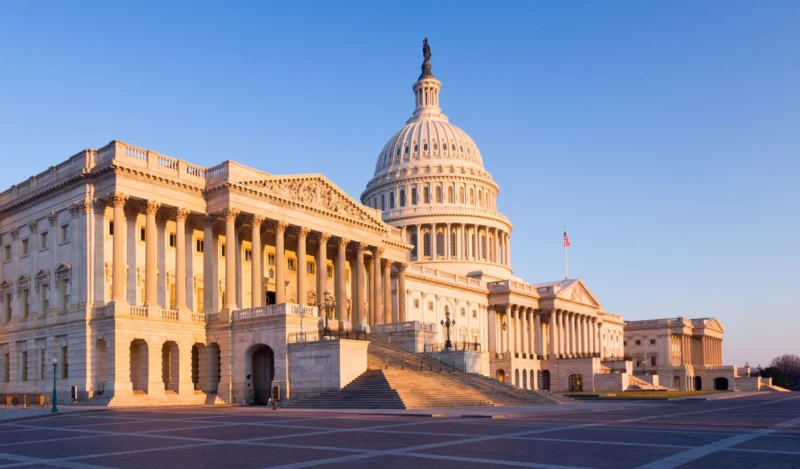
Senators upset over President Trump’s strategic maneuver tried to undo it on Wednesday, September 30, but were blocked by one of their own. Politico‘s Jennifer Scholtes and Katherine Tully-McManus report:
Sen. Ron Johnson blocked the Senate from passing a bill Wednesday to restore $810 million in federal funding President Donald Trump nixed Friday without Congress’ consent and stop him from using the controversial budget tactic again.
Democratic Sens. Jeff Merkley of Oregon and Patty Murray of Washington asked on the Senate floor to swiftly pass a measure that would nullify Trump’s latest move to unilaterally cancel money Congress appropriated and prevent similar attempts by blocking the president from sending requests to claw back federal dollars less than 90 days before the cash expires.
While objecting to passing the bill, Johnson said he supports the president doing “whatever it takes” to reduce federal spending.
“Personally, I wish it was a lot larger,” the Wisconsin Republican, who chairs the Budget Committee, said of the sum Trump canceled Friday. “That money doesn’t have to be spent, and it shouldn’t be spent.”
That’s a rare viewpoint on Capitol Hill. Unfortunately for Senator Ron Johnson, it’s only a short-term victory at best.
Big-spending politicians in Congress can strike back if they really care about the canceled spending. They can vote to increase the government’s spending in the next fiscal year by the $810 million that wasn’t spent in 2026.
That would be an exercise in pure pettiness on their part, seeing as they’ll be spending trillions more than the $810 million that wasn’t spent this year. Unfortunately, petty is the perfect adjective to describe the kind of big-spending politicians we have.