Africa’s Free-Market Bus Systems
Entrepreneurs, not government, provide this crucial service. Yet the difference between systems in Kenya vs. South Africa shows the service diversity throughout the continent.
June 26, 2023
News Article
Entrepreneurs, not government, provide this crucial service. Yet the difference between systems in Kenya vs. South Africa shows the service diversity throughout the continent.
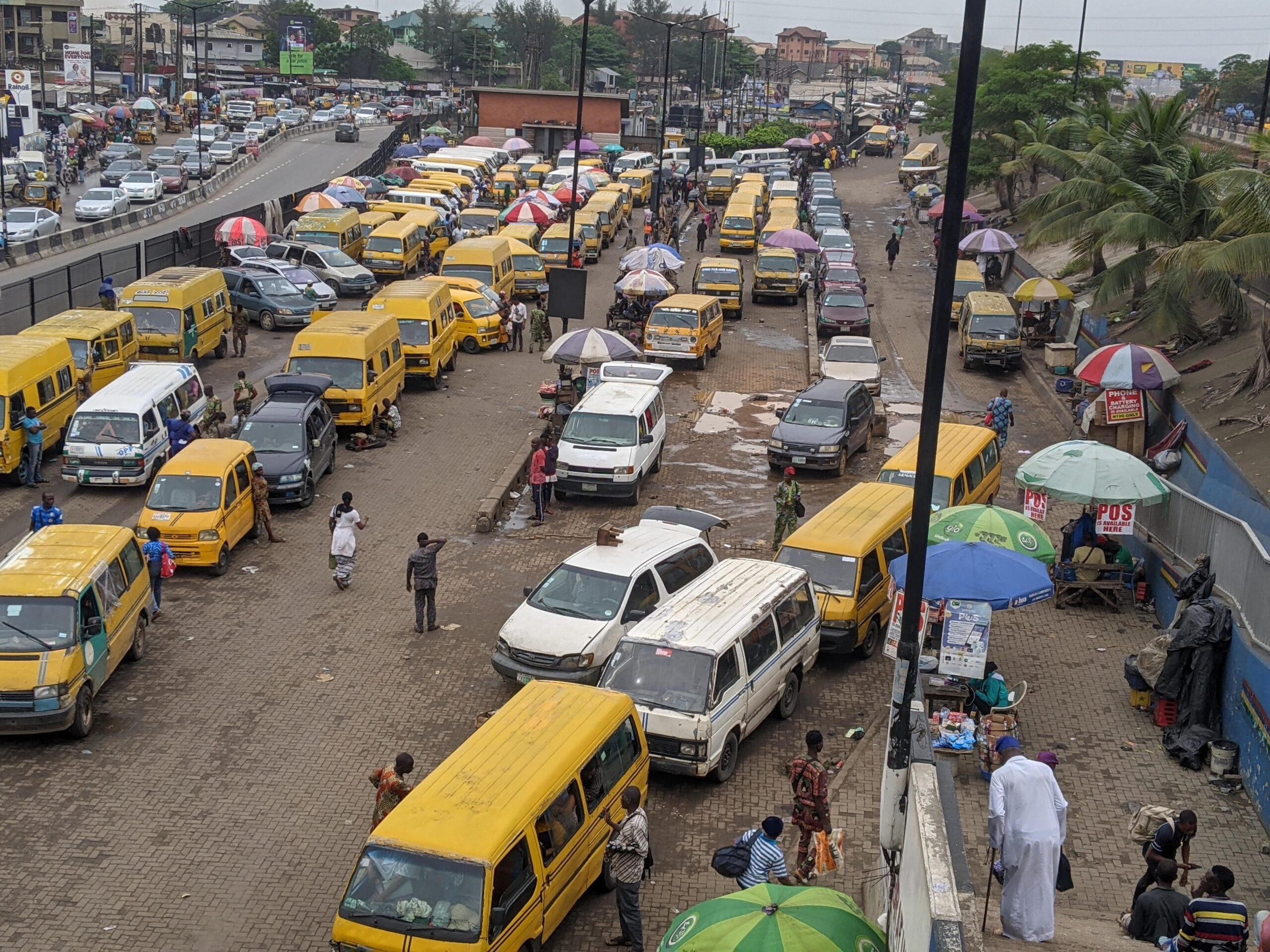
If you ride a bus in North America or Europe, it’s likely to be a provision from a state or municipal government transportation authority. The terms “Mass Transit” and “Public Transit” are interchangeable in most people’s lexicon. Africa, however, blows up this First World assumption. Cities throughout the continent, small and large, have bus systems that are private, profitable, and move a majority of the population. Entrepreneurs who make it work don’t enjoy the billions in subsidies that are allocated to Western mass transit systems; nor do they serve customers with the disposable income to pay high fares. But buses are still ubiquitous, serving in some cases up to 90% of the commuter workforce, speaking to the natural market that exists for mass transit. The backbone of these systems is the mini-bus, or “jitney”. They average about 14 passengers—often crammed together—a departure from the large buses of western public transit systems. Rather than following fixed routes, they are flexible, veering off major arterials to serve specific customers. The vehicle choice allows lower volume routes to be profitable.
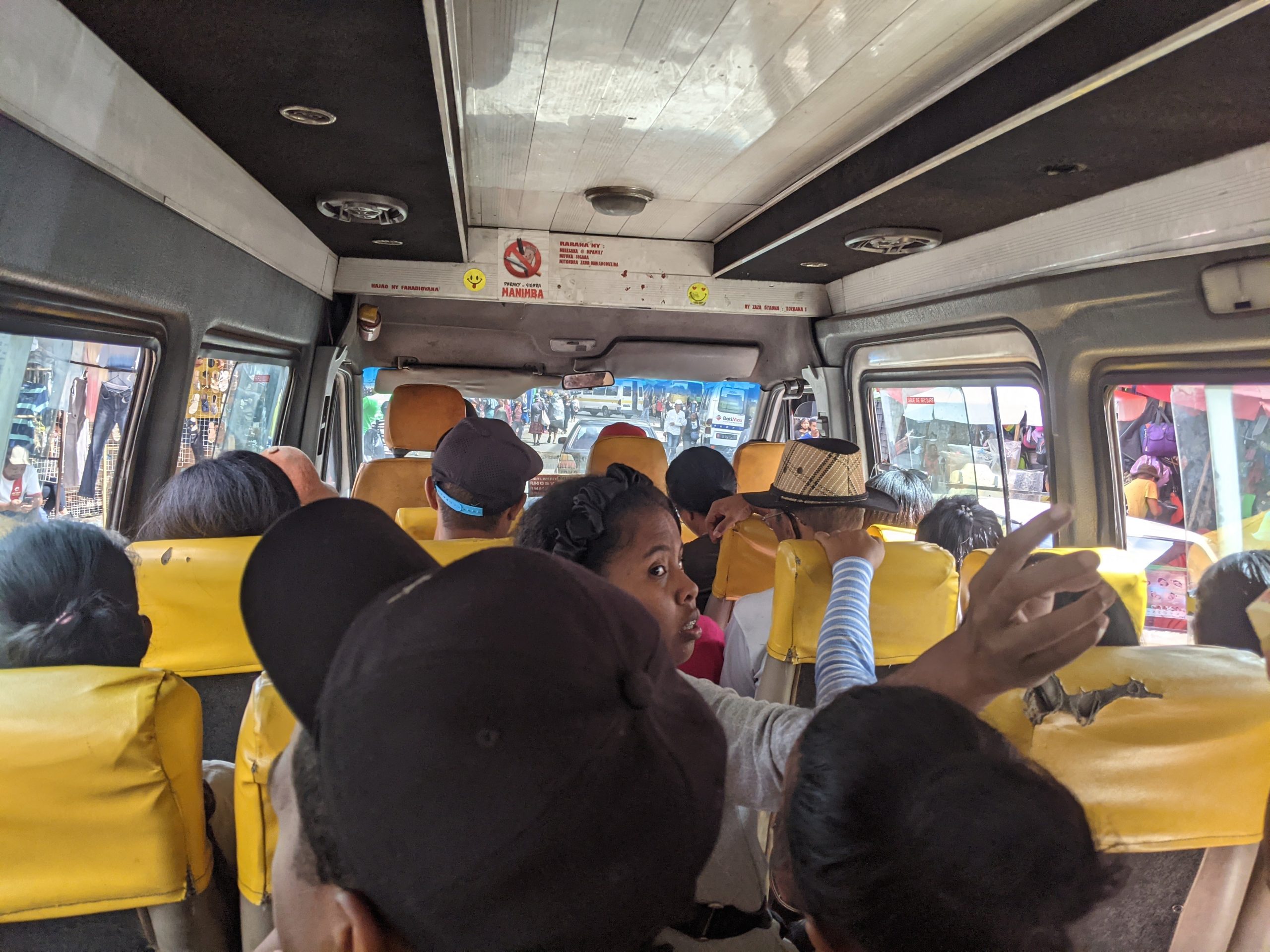
Bus interior in Antananarivo, Madagascar.
 Nairobi also relies on jitneys, locally called matatus, but has a radically different approach. Walk through the city, and it quickly becomes apparent that there is no standardization—about where jitneys park, how drivers behave, or how vehicles must look. Some matatus go beyond transportation to become an experience, with colorful murals, flashing lights, and speakers blasting music. Such buses, called Nganya, have become part of Nairobi’s flamboyant culture.
 Rides on Nairobi’s non-descript jitneys can cost as little as 14 cents and are a lifeline for poorer workers, many of whom make a few thousand dollars annually. These buses are no-frills and crowded. But the colorful Nganyas can cost up to $1.50 per ride, showing the specialization that occurs even in low-income societies.
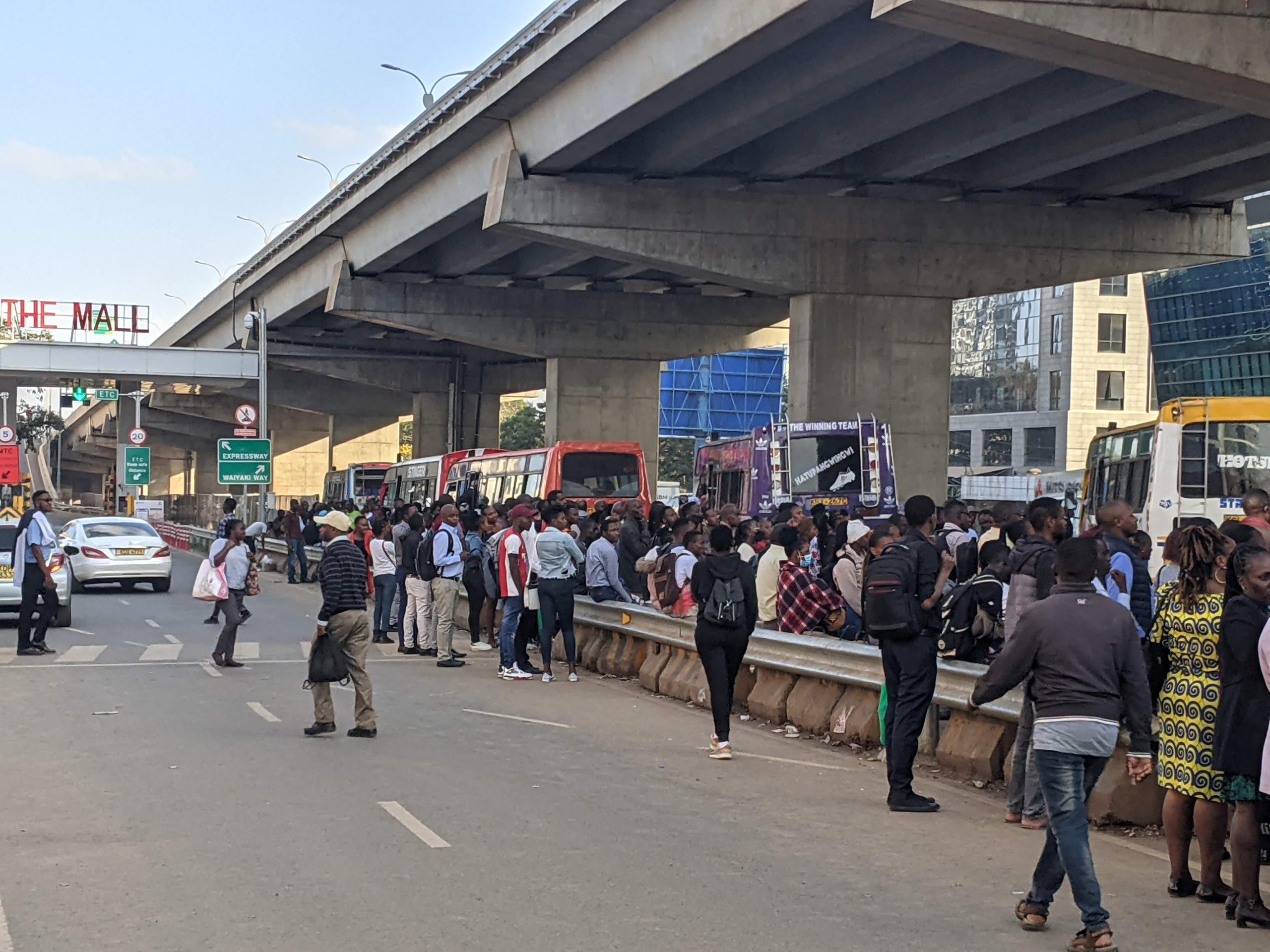
A variety of downscale and upscale matatus operate during evening rush hour in Nairobi.
Other African cities have a provision model somewhere between the South Africa and Kenya extremes. All these systems suffer to some degree from private cartelization that can spiral into mafioso behavior. Sometimes it’s aided or abetted by government officials who are paid off with bribes. But in spite of this, the systems still provide quality service.
Private free-market jitney systems exist all over the developing world—but not just there. New York City is full of buses of questionable legality but absolute value to those needing to affordably navigate the city. San Francisco used to have jitneys before the city outlawed them. Rather than vilify these entrepreneurs, we should embrace them, especially given the service gaps and possible death spiral that many public transit systems face. All images credited to Scott Beyer and The Market Urbanist.