The Agrarian Urbanism of Africa
The informal, small-scale commerce that dominates African cities is enabled by farming and other agrarian activity that happens within cities themselves.
June 19, 2023
News Article
The informal, small-scale commerce that dominates African cities is enabled by farming and other agrarian activity that happens within cities themselves.
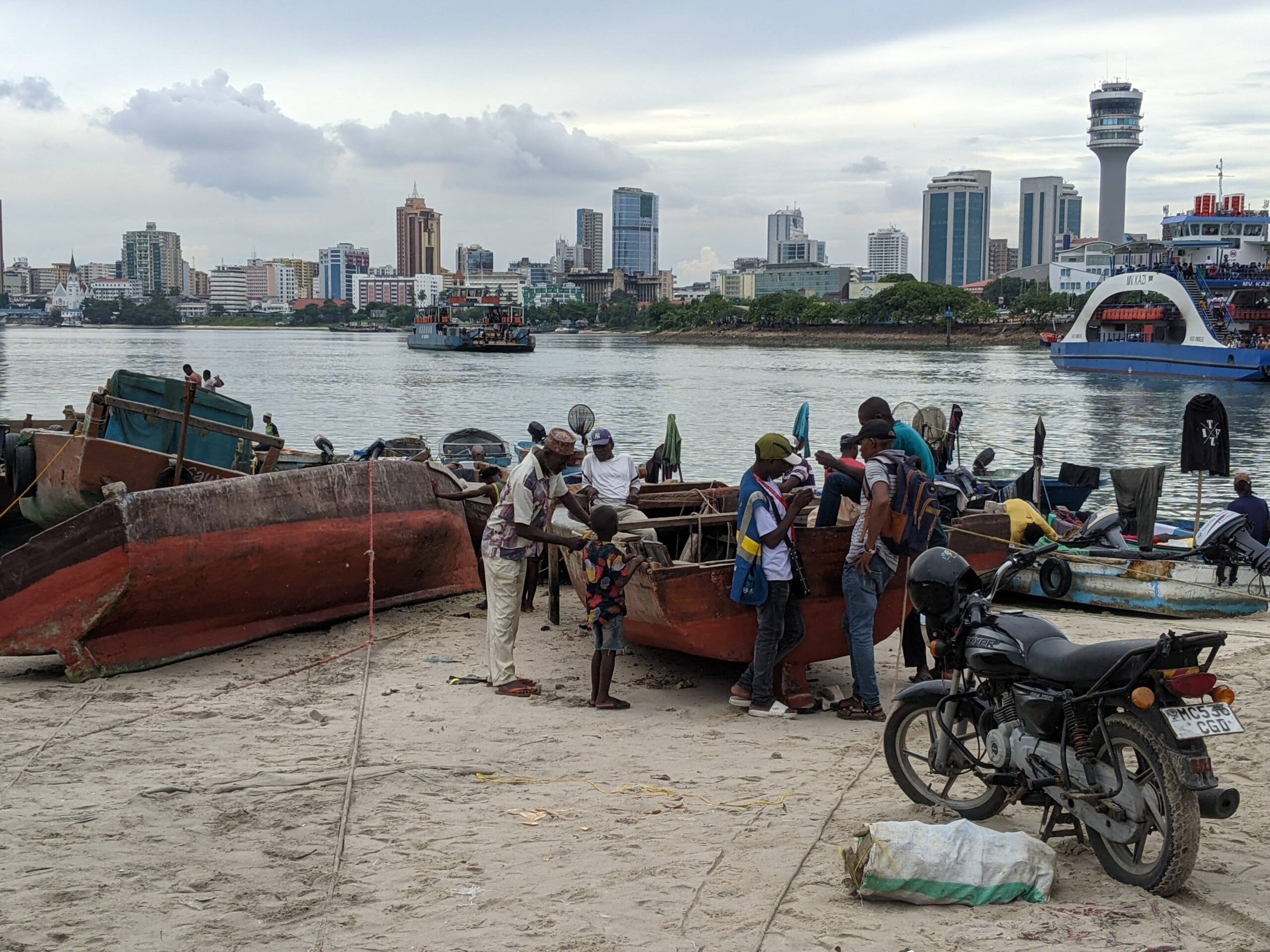
Urban America, in the hyper-technologized 21st century, is largely a white collar economy. New York City, for example, is now dominated by a mix of high-level financial services, tech, and other skilled trades, while lower-level trades focus on tourism, food delivery and other service sector jobs. Where blue-collar employment exists, it’s often due to legacy industrial zoning that permits only this. Agrarian land uses such as “urban farming” are near-nonexistent, an esoteric hobby of foodies. But Africa, as I’ve discovered during my 1.5-year tour of the Global South, mixes pre-modern and modern economic orders, creating an “agrarian urbanism.”Dar es Salaam, Tanzania’s largest city, is no less bustling or vibrant than New York, but the sources of economic activity are very different. While not antiquated in any sense, agriculture is a powerhouse of the city’s economy and day-to-day life. Farmer’s markets, somewhat of a boutique concept in the U.S., are the major source of food for most residents. Small-scale farms dot the city’s landscape, rather than agriculture being relegated to large rural industrial farms, as in the West. And the industry provides economic empowerment—nay, survival—in Tanzania and other African nations. 
Commerce in Dar es Salaam
The relationship that the U.S. and Africa, respectively, have towards farmers markets and grocery stores is inverted.
Dar es Salaam is dominated by small-scale farmer’s markets. But they’re nothing like U.S. ones, which are considered upscale, rare and sell goods at higher prices. They’re simply what most common people rely on for food and other goods.

A market in central Dar es Salaam.
Open-Space Farming
Foods that Tanzanians consume are often cultivated through “open-space farming” on unused land in cities themselves. According to The Journal of Modern African Studies, locations where farms are established are both publicly and privately owned, and include “river valleys, on police land, on school properties, on road reserves, under power lines, on private company land and on university land.”

A vast majority of food in Dar es Salaam is sold like this.

An upscale neighborhood in Dar es Salaam.
Benefits and Challenges
Farmers and other merchants move to Dar es Salaam to overcome the limits of rural living—part of a Global South migration trend I’ve covered a lot in this column. Once in the city, they can use their same agrarian skills to serve a larger clientele. “With high levels of rural-to-urban migration, many now-urban residents hold on to their agricultural heritage,” writes Michelle Beach for Population Reference Bureau. Urban farmers maintain low overhead; in Cameroon, livestock produce enough manure for farmers to avoid costlier investments, according to Beach. Other small-scale businesses, like food carts, are a low barrier to entry for these migrants.It’s a crucial means of upward mobility in a country with 90% poverty, and where large percentages of the rural population are malnourished and can’t attend school. Dar es Salaam’s urban farmers have similar earnings to construction workers, Beach reports, and even for those who don’t do it full-time, it can be a somewhat lucrative side-hustle. But it does cause sanitation problems. Animal waste worsens Africa’s existing sewage overflows, and smaller animals are rarely vaccinated. Manure runoff makes it even harder for Tanzanians to have clean water. There is also just a quality-of-life problem to living in a neighborhood where livestock are running around, given how loud, smelly and rambunctious they can be. But there are upsides, as Tanzanians use this agrarian urbanism to sustain their incomes and access fresh, cheap food.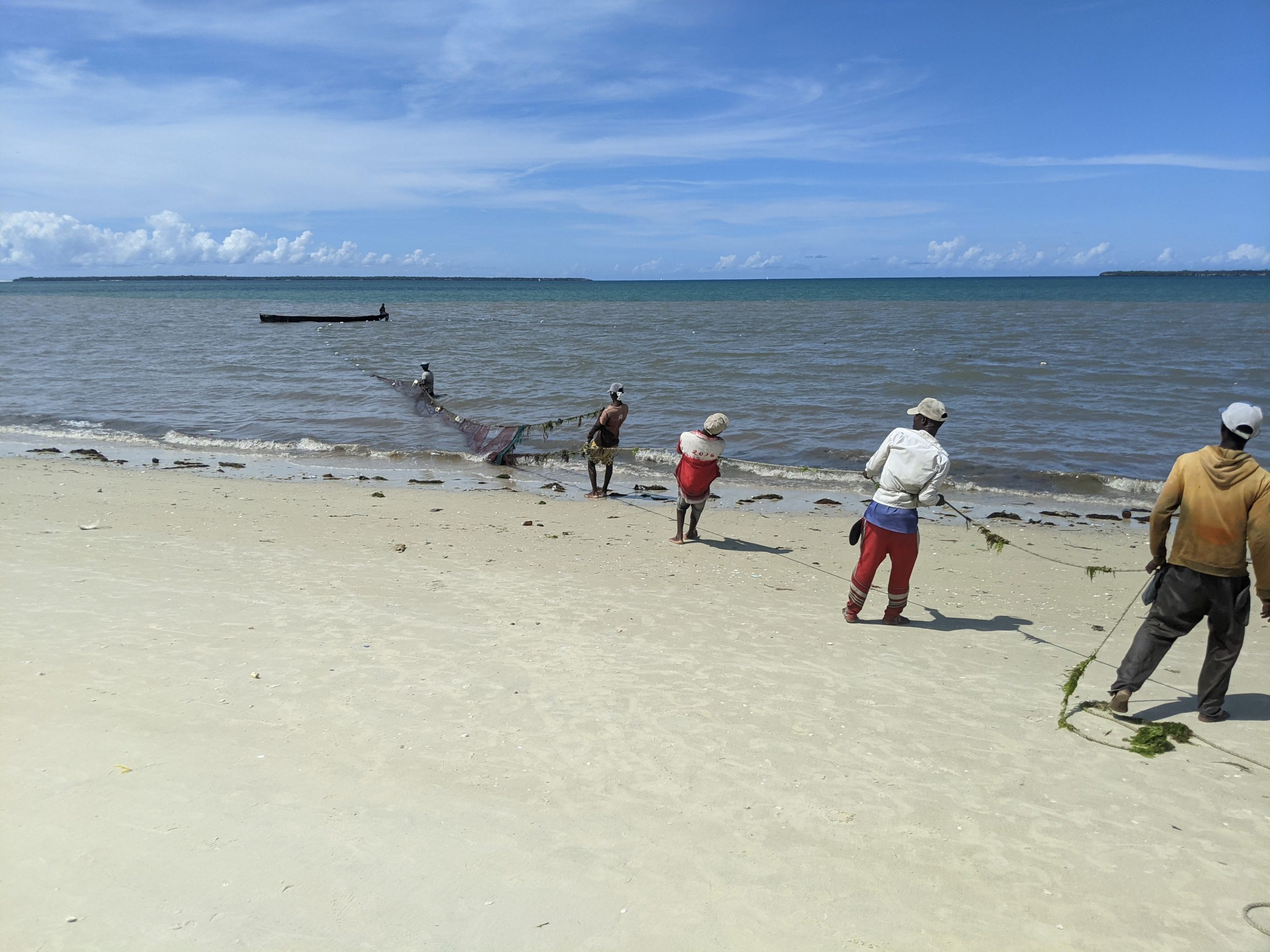 But weighing the pros and cons is a tad academic when coming from a Westernized First World perspective. Agrarian Urbanism is simply how Tanzanians and many other Africans must by necessity live. It is reflective of their poverty, yes, but also of many positive trends—upwardly-mobile rural-to-urban migration; small-scale entrepreneurship; and an unregulated urban land-use model that adapts to residents’ needs.It’s also neat to see purely from a tourist perspective—an ode to how U.S. cities once were before they evolved into something different. All images credited to Scott Beyer and The Market Urbanist.