Government and Politics
Government—the institution that claims a legitimate monopoly on the use of force in a given region—seems to involve itself in almost every aspect of modern life. When we buy or sell something, we pay taxes to government. In whichever sector we happen to work, we must deal with government employment and workplace safety laws. We follow news about government elections and legislative proposals. And we talk about governments and their actions endlessly. Government, we are taught, is necessary for maintaining social order and providing for essential public goods including a common defense. In the Western tradition, much thought has been devoted to how best to limit the power of government, so that it serves the people rather than becomes their master. Independent Institute fellows have examined the benefits of limited government over an expansive one, including greater personal autonomy, a rising economic tide that lifts all boats, and more peace and harmony at home and abroad. They have also studied the threats to limited government, such as wars and economic depressions, and the trajectory of the growth of government.



Books

Trade Wars
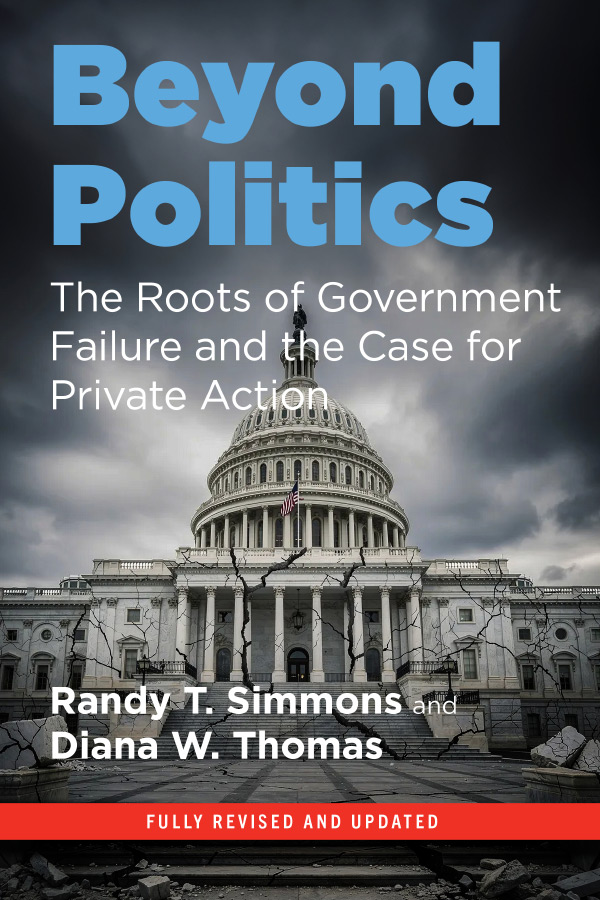
Beyond Politics (2026 Edition)
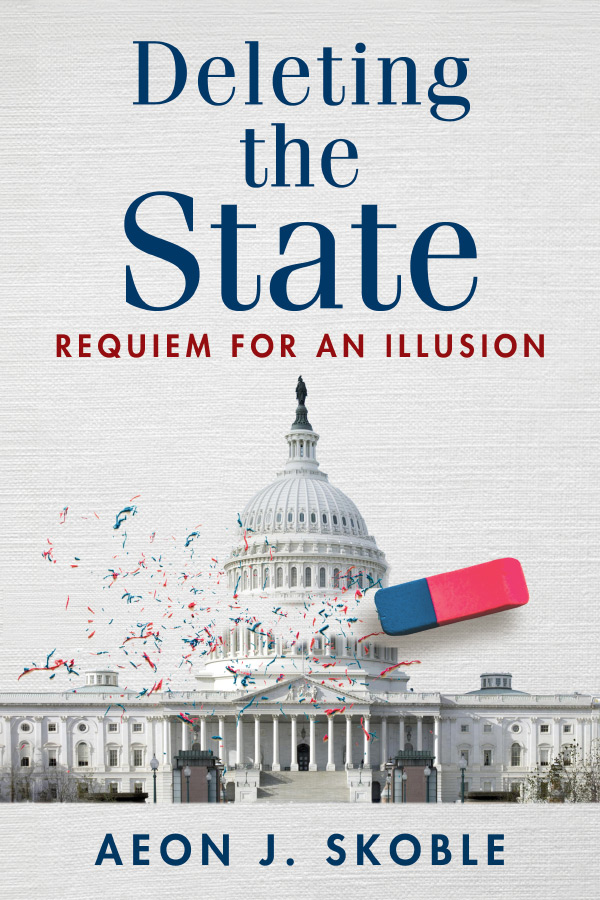
Deleting the State
Active Filters
Active Filters
{content}Content Type
Publication Type
Format
Government and Politics Sub Issues
Active Filters
Active Filters
{content}Becerra Takes the Gravy Train

A New Factory Isn’t Necessarily a Sign of Growth

What Makes a Great President? Rethinking America’s Presidential Rankings

Who Put Tariffs in My ($20!) Burrito?

Los Angeles Rents Are Falling. Here’s Why.

Keep the Case for Free Trade Simple

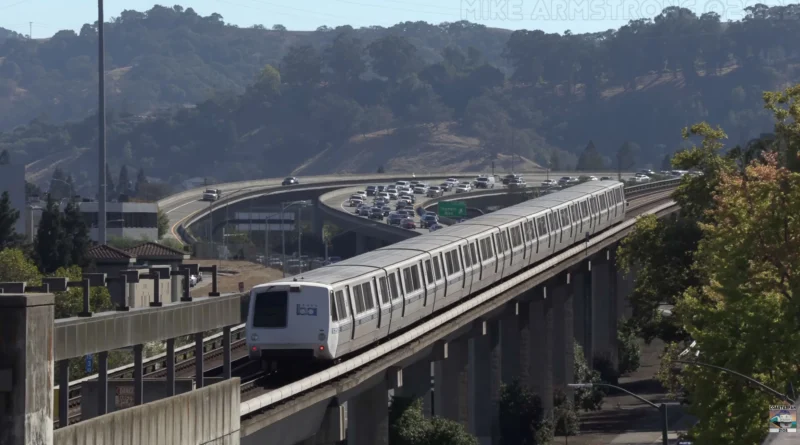
BART Wants Taxpayers to Give It A Free Ride
Late Socialism

Autopilot Deficits

America’s Best of Times, Worst of Times: Can Adam Smith Save the Future?