A Leaner Gulf Presence Can Keep Presidents Out of Middle Eastern Entanglements
Reducing exposure in the Persian Gulf is a practical way to avoid impulsive escalations.
October 8, 2026
News Article
Reducing exposure in the Persian Gulf is a practical way to avoid impulsive escalations.
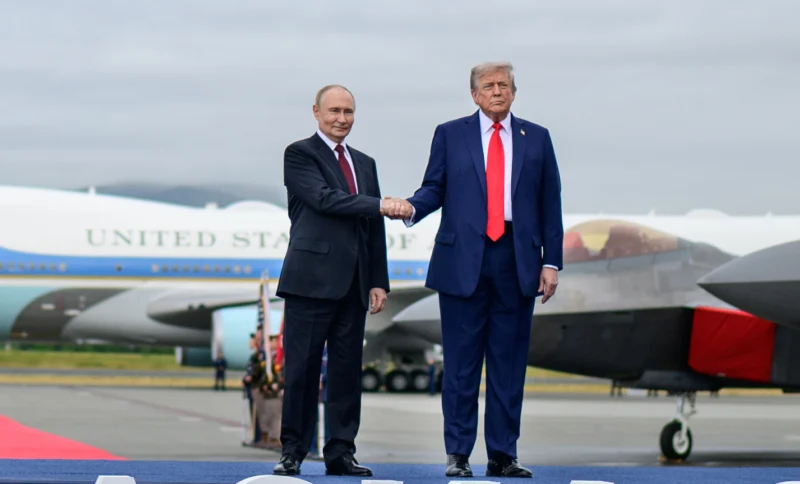
When President Trump gets frustrated with other countries—friendly or adversarial—he tends to threaten them, from Greenland and Canada to Nigeria and Venezuela, as well as every nation he has tried to intimidate with tariffs. Sometimes he follows through; other times he backs down, giving rise to the popular (if overstated) phrase “Trump Always Chickens Out,” or TACO. Although he usually picks on countries much weaker than the United States, this is not unusual for American presidents. And other presidents have also made veiled threats to use nuclear weapons over comparatively minor problems for the United States—for example, Richard Nixon’s implied threat to go nuclear during the 1973 Arab-Israel War in the Middle East. Similarly, Trump, during his first term, made such a veiled nuclear threat to rain down “Fire and Fury” against Kim Jong-un’s North Korea, before he eventually “fell in love” with the East Asian despot, exchanged “love letters” with him, and even held showcase summits with him.
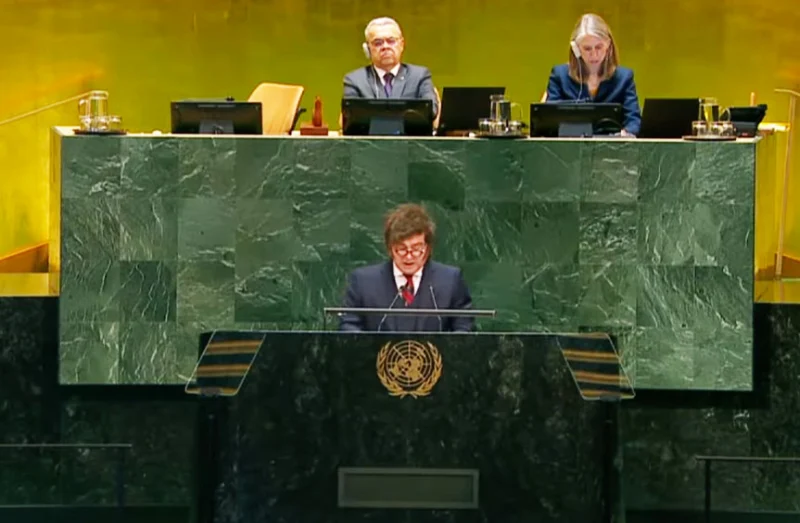
Yet in 2026, Trump has left the euphemism at the door in his frustration as the weaker Iran hasn’t played ball with him, threating to end “Iranian civilization” or more recently and specifically, during a speech at the United Nations General Assembly, to “annihilate” Iran, “driving them into hell with no chance of survival and no hope of future greatness or generations.” In the past, such cavalier threats of mass destruction have drawn international condemnation, with some bodies even classifying this kind of rhetoric as a potential war crime. However, Trump, who has long relied on shocking bombast to amplify his importance or divert attention from negative press, either doesn’t grasp or doesn’t care about the extreme danger of issuing such thinly veiled nuclear threats. Some people might even wonder if an Iran with nuclear weapons could behave any more recklessly and irresponsibly with them than the present U.S. leader. If Democrats win the House of Representatives in the upcoming election and elect to impeach Trump, we will see if such dangerous behavior is among the articles presented.
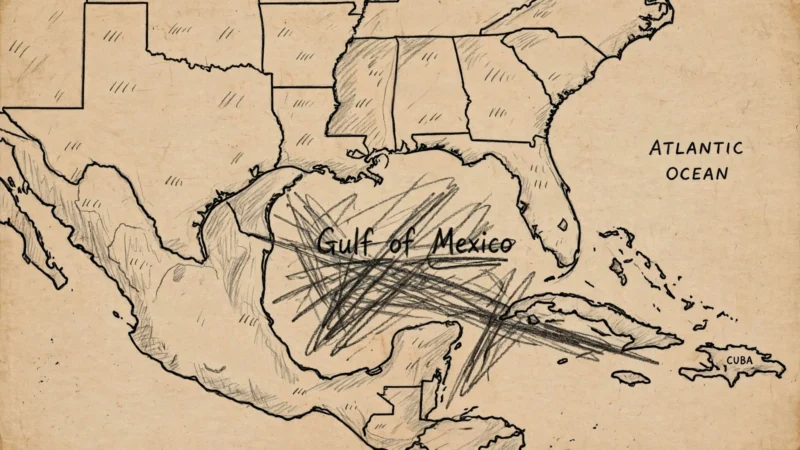
Of course, this over-the-top bluster merely indicates that Trump is extremely frustrated that the much weaker Iran has not capitulated to the use of overwhelming U.S. military power but instead has struck back by successful endangering, and thus constraining, commercial petroleum traffic through the Strait of Hormuz; using its proxy (the Houthis) to threaten similar oil traffic through the Bab al-Mandeb strait leading to the Red Sea and Suez Canal; and successfully causing great damage using drone and missile attacks to the many vulnerable U.S. military bases in the Middle East.
Behind closed doors, cooler heads in the U.S. military are considering whether these sprawling U.S. bases—which have proven hard to defend from the missile and drone-swarm attacks by even a nearby middling country—should be even rebuilt. Some advocate quietly going through with Trump’s (and prior presidents’) earlier useful rhetoric about reducing the U.S. footprint in the Middle East to focus on the great-power threat from China in East Asia. Reducing the U.S. military footprint in the Persian Gulf would be one way to reduce the chance that Trump, during his remaining time in office, and future presidents could be baited into yet another failed quagmire in the Greater Middle East.