

How Operation Warp Speed Helped Create RFK Jr.
May 30, 2025

News Article
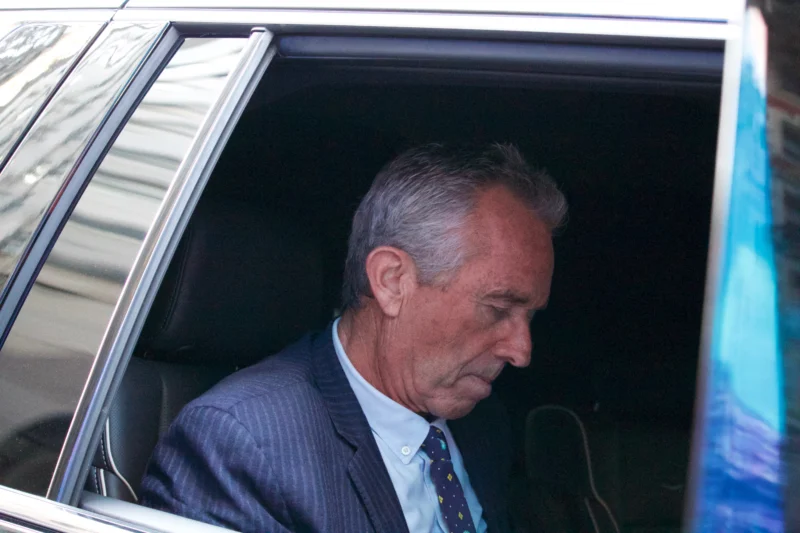
Robert F. Kennedy Jr. (often shortened to RFK Jr.) has only been Secretary of the Department of Health and Human Services since mid-February. Despite being new to the job, he’s arguably made more statements to provoke public outrage than any HHS Secretary in history.
As a quick sample, RFK Jr. first stated the measles vaccine (usually part of the combination measles-mumps-rubella vaccine) causes “all the illness of the virus” and results in “deaths every year.” He later praised the measles vaccine when measles outbreaks took place in Texas and New Mexico. He later claimed “autism destroys families” while promising to find its cause by September.
Most recently, he announced that COVID-19 vaccines and boosters are no longer recommended for children and pregnant women. He’s also hinted that he might prevent some scientists from publishing medical research in select academic journals. Ironically, he’s also warned, “I don’t think people should be taking medical advice from me.”
These and other eye-raising statements leave many of his contemporaries questioning his motives and ability to lead the HHS. As Illinois Senator Dick Durbin writes in a press release featured on his website, “RFK Jr. is unqualified, unfit, and dangerous to lead the Department of Health and Human Services.”
Qualifications aside, we should be asking how RFK Jr. has the authority to change vaccine policy, validate treatments for autism, and execute most of the initiatives he has undertaken to “make America healthy again.” Until very recently, these authorities were distributed to the HHS’s sub-agencies, who have always enjoyed considerable autonomy.
Ironically, RFK Jr’s seemingly limitless authority can be traced back to one of the things he has been most critical of: Operation Warp Speed.
On May 15, 2020, President Trump, during his first term, launched Operation Warp Speed. The mission established an unprecedented partnership between federal regulatory agencies and private vaccine producers to bring a COVID-19 vaccine to market as quickly as possible. That September, in a preemptive effort to stop the FDA from slowing experimental vaccines from receiving emergency use authorization, then HHS Secretary Alex Azar issued an order stating, “any prior delegation of rulemaking authority [to HHS sub-agencies], including the authority to sign or issue a rule or a proposed rule, is rescinded.”
The effort failed. After two COVID-19 vaccines cleared Operation Warp Speed’s guidelines, the FDA circumvented the order and assembled a special advisory council. The council delayed the arrival of COVID-19 vaccines for patients by 26 days.
Furthermore, as many had warned, the effort resulted in a “power grab” that dramatically concentrated regulatory authority in the HHS. Not only did this order remain after the pandemic, but those in power have since taken full advantage.
In 2022, under the Biden Administration, the HHS gained authority to negotiate drug prices with pharmaceutical companies, previously tasked to the Center for Medicare and Medicaid Services. Shortly after, the HHS launched its Maternal Mental Health Hotline. The Substance Abuse and Mental Health Services Administration already provided this. The HHS has also made numerous efforts and initiatives to address drug shortages, which historically was the FDA’s job.
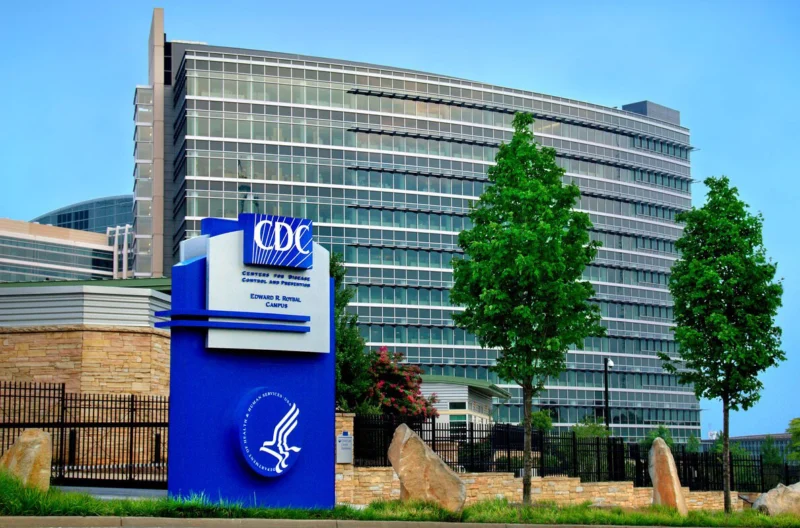
Recent job cuts to many public health agencies have also worked to “centralize” the HHS’s authority over “operational functions, like policy planning, communications, and human resources.” Many of these efforts to further centralize the authority of the HHS—and of RFK Jr.—are outlined in a press release provided on the HHS website, which aims to assemble an Administration for Health America.
The greatest threat to public health is not RFK Jr.’s viewpoints. It’s the concentration of power given to the HSS and anyone who directs it. Concerningly, as President Trump promised, it may be about to “go wild.”