Alphabet, Google’s parent company, sent a letter to House Judiciary Committee Chairman Jim Jordan (R-OH) admitting that members of the Biden administration repeatedly reached out to the company and asked it to remove user-generated content during the COVID-19 pandemic. According to Alphabet counsel Daniel F. Donovan, senior White House officials pressed the company to take down content, including YouTube videos, that did not violate Google’s terms of service. The letter states that the administration “created a political atmosphere that sought to influence the actions of platforms based on their concerns regarding misinformation,” while also noting that Alphabet resisted the administration’s censorship demands on First Amendment grounds.
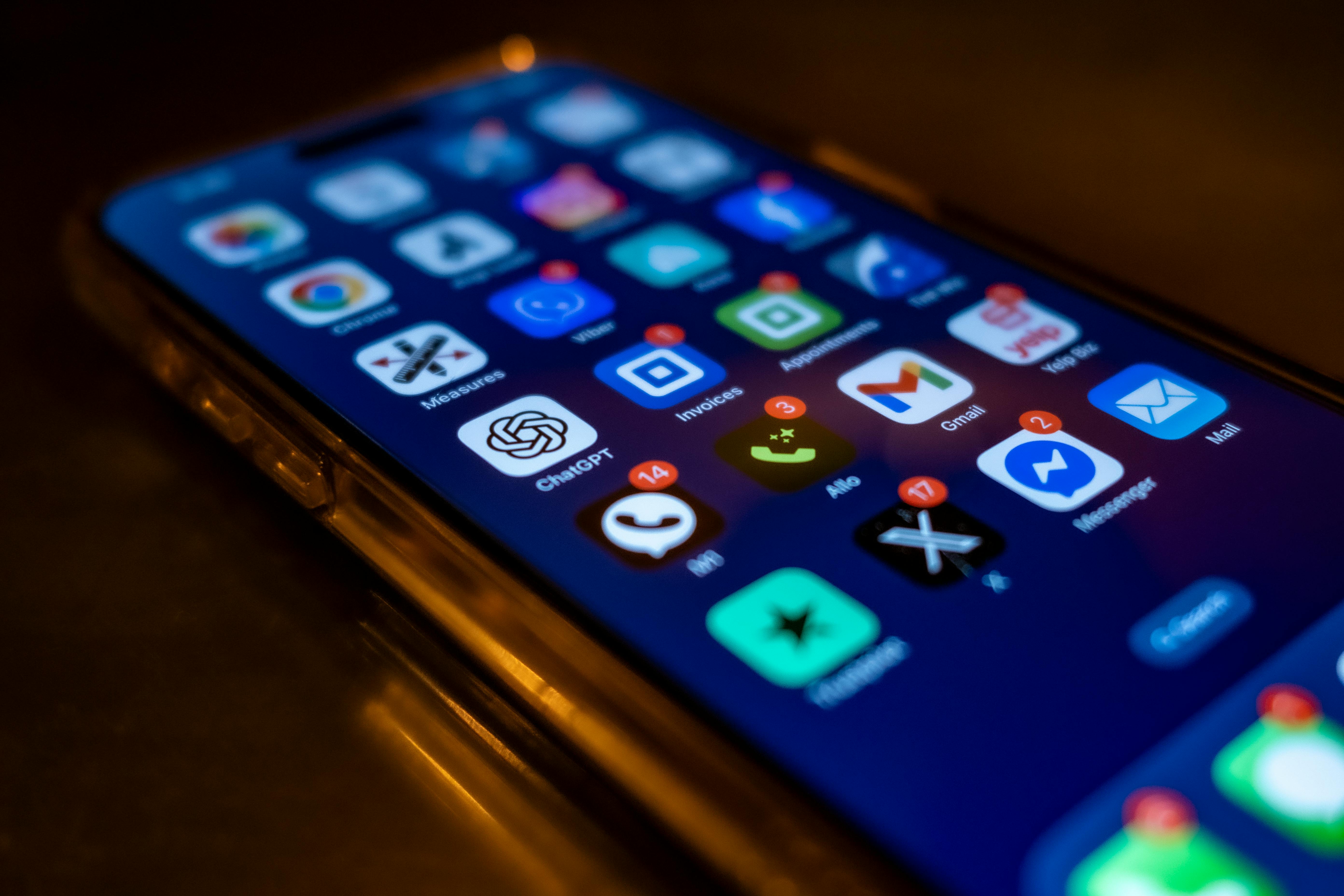
This is not the first time that a social media company has made such claims. During an appearance on The Joe Rogan Experience back in January, Meta chairman and CEO Mark Zuckerberg revealed that White House officials would reach out to Facebook, “cursing and threatening repercussions” if the platform did not remove posts, even when they contained content that was accurate. Zuckerberg conceded that his company had been too willing to comply with the Biden administration’s demands.
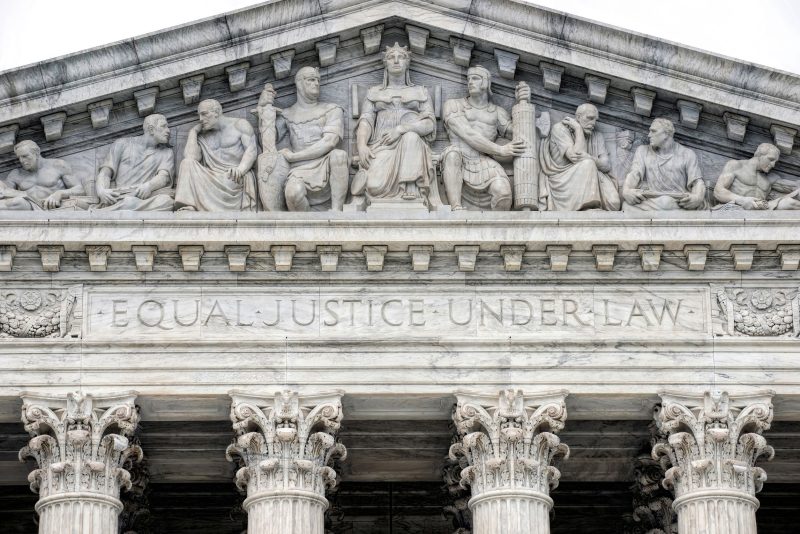
Does the federal government have the right to ask social media platforms to remove user-generated content it deems “misinformation”? This was the question at the heart of Murthy v. Missouri (2024), in which Missouri and Louisiana, along with five social media users, sued dozens of executive branch officials and agencies, claiming that they had pressured the platforms to suppress content concerning the COVID-19 pandemic, election integrity, and the Hunter Biden laptop controversy. The Supreme Court held that the plaintiffs lacked Article III standing to seek the preliminary injunctions the lower courts had granted them. As a result, the injunctions were lifted.
Writing for the 6-3 majority, Associate Justice Amy Coney Barrett stated, “At this stage, neither the individual nor the state plaintiffs has established standing to seek an injunction against any defendant. We therefore lack jurisdiction to reach the merits of the dispute.” She contended that the dispute in question did not satisfy the “case or controversy” requirement stipulated by Article III of the Constitution. Barrett, pointing to the fact that Facebook had expanded its COVID-19 misinformation policies before it had received any overtures from the White House, argued that the plaintiffs could not trace the platforms’ content moderation decisions to the government’s censorship demands.
The Alphabet letter accentuates the vacuum the Supreme Court left behind when it refused to address the constitutional question at the core of Murthy v. Missouri. This was not lost on Associate Justice Samuel Alito. In his dissenting opinion, Alito wrote that the most important function of freedom of speech is its preservation of speech that is paramount to democratic self-governance. He cited National Rifle Association of America v. Vullo, a unanimous Supreme Court decision that held that New York State Department of Financial Services Director Maria Vullo had violated the NRA’s First Amendment rights by pressuring banks and insurance companies to cut ties with the organization. Pointing to the widespread popularity of social media as a source of news, as well as the unique vulnerability of social media platforms to government pressure campaigns, Alito characterized the Biden administration’s conduct as “blatantly unconstitutional” and accused the majority of refusing to address a “serious threat to the First Amendment.”
He was not alone. Attorney Jenin Younes, who provided litigation counsel to four of the plaintiffs in Murthy, said that the decision affirmed an “unprecedented censorship regime,” going so far as to claim that “America can no longer claim to safeguard citizens’ free speech rights.” She has since argued that the Court’s decision set the precedent for the Trump administration’s crackdown on pro-Palestinian protesters. Similarly, George Washington University Law School Professor Jonathan Turley accused the majority of using the standing issue to “block [the plaintiffs’] meritorious claims,” thereby allowing the Biden administration to engage in “censorship by surrogate.”
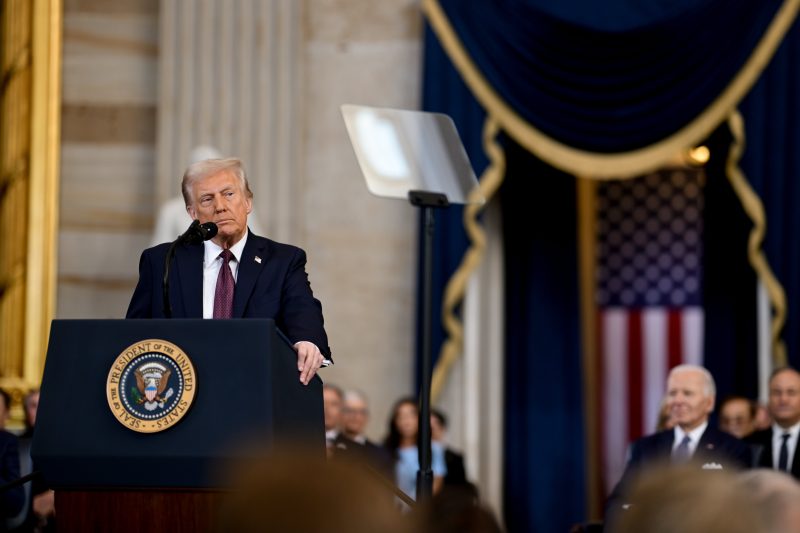
ABC’s recent decision to suspend Jimmy Kimmel Live! renewed public interest in the interplay between the executive branch, private corporations, and the First Amendment. FCC Chairman Brendan Carr’s threats against ABC, Disney, and Kimmel were rightfully condemned by many prominent voices in the media. Moreover, President Donald Trump’s claim that ABC told the White House that Kimmel’s show was canceled further underscored the dangers of coordination between state and corporate actors. But as the Alphabet letter makes clear, much of the groundwork for such coordination was laid during the Biden years. Whether the Trump administration will undo that groundwork remains to be seen, but if recent events offer any indication, the prognosis is not positive.