How the Party‑Coordination Ruling Will Shape U.S. Politics
Limits will strengthen U.S. political system against zealots and demagogues in both parties.
July 9, 2026
News Article
Limits will strengthen U.S. political system against zealots and demagogues in both parties.
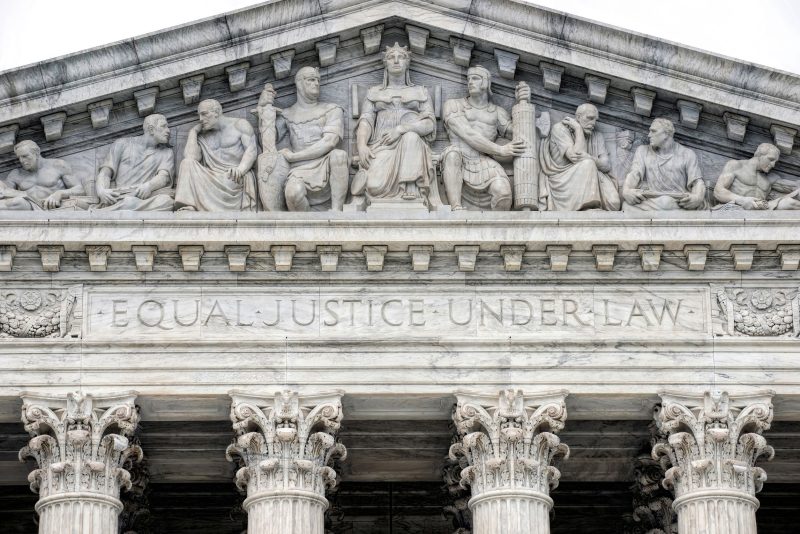
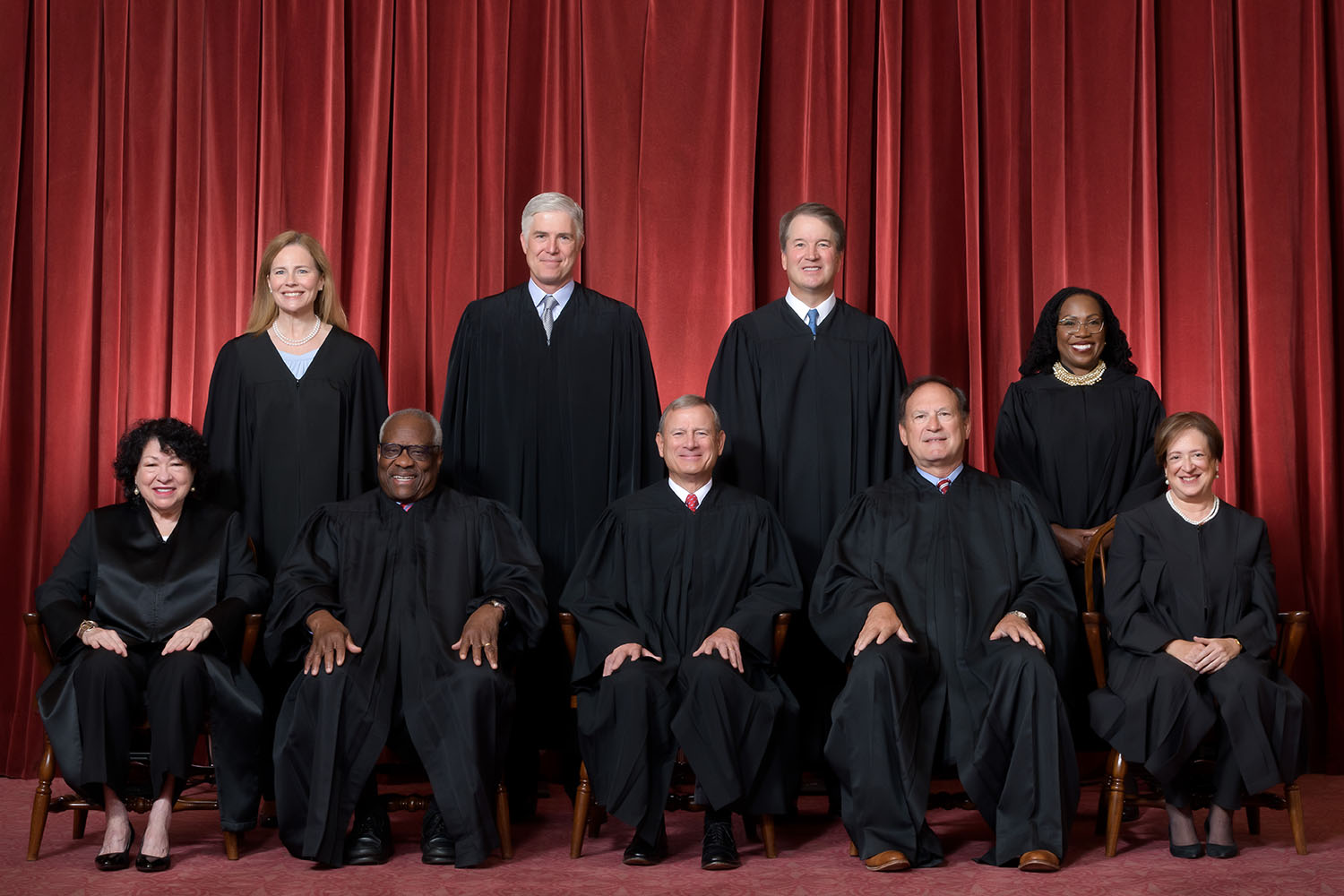
Although other term-ending Supreme Court decisions, such as on mail-in voting or birthright citizenship, have gotten greater media attention, the Court’s overturning of limits on the amount of money political parties can spend in coordination with any one candidate is a very important one for the future health of the American political system. The Court, in National Republican Senatorial Committee v. Federal Election Commission, by a vote of 6-3, overturned its 2001 ruling in Federal Election Commission v. Colorado Republican Federal Campaign Committee, upholding the same spending limits, which had been a 5-4 ruling in the opposite direction.
Brett Kavanaugh, writing for the majority, overruled the previous court decision by saying that the spending limits in the Federal Election Campaign Act of 1974 violated the First Amendment rights of the National Republican Congressional Committee and the National Republican Senatorial Committee. Those committees and two then-members of Congress, including now Vice President J.D. Vance, argued that dollar limits on party-candidate coordination prevented the committees from working with candidates to synchronize their political messages.
I am not thrilled with any campaign finance ruling that gives political parties or party committees (or even corporations or unions) First Amendment rights because rights generally should be restricted to real people. However, the outcome of this case will likely significantly shore up the health of the American political system.
In other words, the ruling was laudable, but the rationale for doing so could have been better.
But the major purpose of this piece is to support this ruling. Progressive opponents of the ruling predictably decry the Court’s recent step-by-step dismantling of campaign finance limits. However, the current campaign finance system in the United States is a hodgepodge of irrational federal statutes, state laws, and Federal Election Commission rulings. And the current political system is mired in such failed progressive reforms going back to the turn of the 20th century. Those reforms sought to take power away from “corrupt” political parties and give it to the people, for example, by allowing zealous party faithful to select a party’s nominee for the general election rather than having state and national party conventions do so. Yet in most societies, political parties act as a conveyor belt, channeling citizens’ views on issues into government policies and also vetting candidates who can win general elections.
Unsurprisingly, over the decades, direct primaries, campaign finance regulation, and other progressive “reforms” have severely weakened the political parties. The United States now has a fully sorted partisanship arrayed on two poles, but with weak institutional political parties.
Yet ideologically, the two parties are more polarized than the general public. In the remaining U.S. general elections that are still competitive, many dissatisfied people somewhere in the middle are faced with a choice of two radical choices selected by zealots who voted in opposing party primaries.
The Supreme Court ruling is commendable for one reason: it will likely strengthen the institutional political parties. For a long time, parties focused on selecting nominees who could win general elections. Thus, parties were barriers to radical populism and progressivism until state-controlled direct primaries became dominant.
Criticisms that we’ll have even more money in politics with this ruling are misplaced. Scholarly research shows that the idea that more money in politics affects congressional voting or leads to outright corruption has been overstated. Also, political races in the Twenty-First Century require substantial sums of money, and if competitive races are desirable (with which few people would disagree), challengers may need more money to displace entrenched incumbents. Also, this ruling is less likely to increase money in U.S. elections rather than to merely redirect its flow from independent issue or candidate financing organizations, such as super PACs, through the parties, thus making them stronger.
Critics say that big donors could circumvent limits on contributions to individual candidates, which are designed to prevent direct bribes disguised as campaign contributions, by giving a huge amount to a political party and then “earmarking” it for a particular candidate. But as Kavanaugh noted in his ruling, such circumvention is prevented by limits on contributions to individual candidates, federal law that counts earmarks through parties toward individual candidate limits, and federal campaign disclosure laws.
Thus, it is hard to see how corruption would spike just by parties openly giving more money to and coordinating with their candidates rather than the current system of money flowing through only partially disclosed contributions from independent vested interests. And stronger institutional parties, through once again becoming a more potent avenue of campaign financing, will likely lead to a less extreme political system.