Why Are Colleges Failing and What Can Be Done?
April 10, 2025
Independent Institute Conference Center, Oakland, CA

March 10, 2025

When xxxxx
April 10, 2025
Thursday, April 10, 2025
6:00 pm: Reception
7:00 pm: Program and Q&A
Location
Independent Institute Conference Center, Oakland, CA
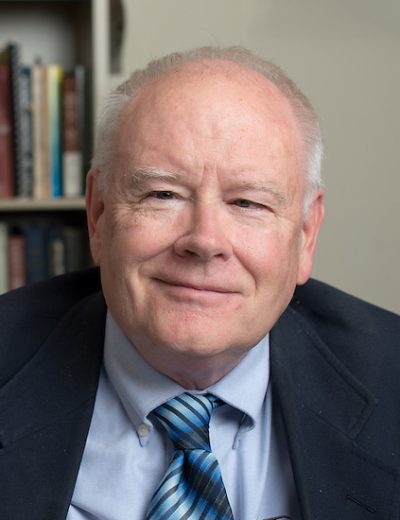
Richard K. Vedder

Phillip W. Magness
Join us for a reception and discussion of Senior Fellow Richard K. Vedder’s groundbreaking new book Let Colleges Fail: The Power of Creative Destruction in Higher Education that provides new strategies for regaining excellence in higher education. In conversation with Senior Fellow and David J. Theroux Chair Phillip W. Magness, Vedder will address the many problems vexing America’s college campuses—including falling enrollments, sky-high tuition, and suffocating ideological rigidity, to name but a few—and offer innovative solutions.
Is it possible to recover the educational institutions that once served America so well? What reforms, if any, can bring us back to a true marketplace of ideas?
Drs. Vedder and Magness will address these questions and more in what promises to be a stimulating, can’t-miss event from Independent Institute.

Let Colleges Fail
by Richard K. Vedder
“Colleges routinely fail to educate their students, produce valuable research, or foster critical discussion, but—thanks to government support—they almost never fail to survive. In Let Colleges Fail, Richard Vedder, one of the world’s greatest collegiate whistleblowers, courageously calls for accountability. If schools can’t pass the market test, government can and should let them go out of business. Letting failed institutions die, though rarely popular, is immensely beneficial for society. And few institutions have failed society more egregiously than higher education.”
—Bryan Caplan, professor of economics, George Mason University

Cracks in the Ivory Tower
by Jason Brennan and Phillip Magness
Marshaling an array of data, Brennan and Magness expose many of the ethical failings of academia and in turn reshape our understanding of how such high power institutions run their business. Everyone knows academia is dysfunctional. Brennan and Magness show the problems are worse than anyone realized. Academics have only themselves to blame. At almost every level, the authors find that students, professors, and administrators are guided by self-interest rather than ethical concerns. College bureaucratic structures also often incentivize and reward bad behavior, while disincentivizing and even punishing good behavior. Most students, faculty, and administrators are out to serve themselves and pass their costs onto others.