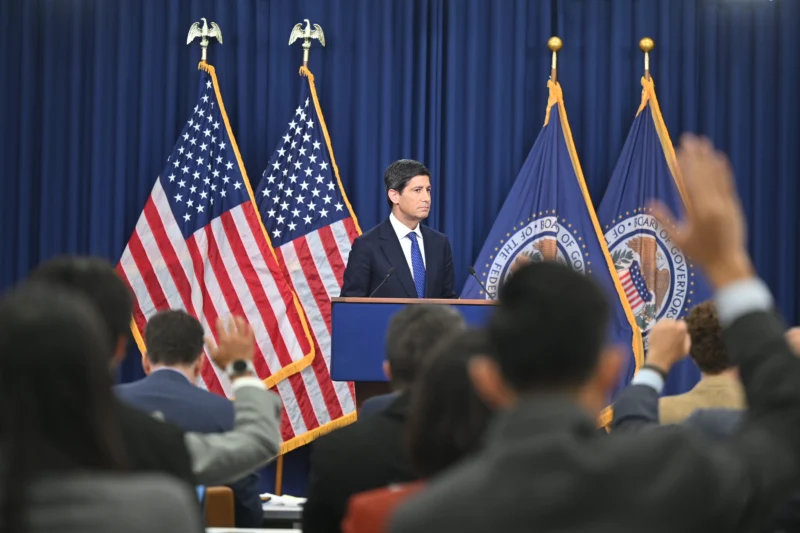
In this episode of Independent Conversations, Graham H. Walker is joined by Phillip W. Magness and Williamson M. Evers for a wide-ranging discussion on the policies and principles sitting behind the 2026 election.
At its core, the episode asks a bigger question than who wins in November: how much government power should voters be comfortable handing to either party when it comes to trade, taxation, business, war and emerging technology?
What You’ll Learn:
- Why proposed government “dividend checks” raise questions about congressional authority, spending and dependency
- How tariffs work, who ultimately bears their cost and why presidential tariff power remains contested
- Why California’s proposed 5% billionaire wealth tax has become a major test case for confiscatory tax policy even beyond California
- Why government ownership stakes in private companies raise concerns about political influence over business decisions
- Why limited government depends on skepticism about how any political faction may use concentrated power
- How war powers, congressional oversight and foreign policy are intersecting with the 2026 election
- Why antisemitism is appearing in different forms across both the political left and right
- How AI and data centers are becoming a growing political issue around regulation, electricity, water use and economic development
- Why voters may learn more by examining policy principles than by relying on party labels alone