The Offshoring Exodus: A Strike in Disguise
July 10, 2025

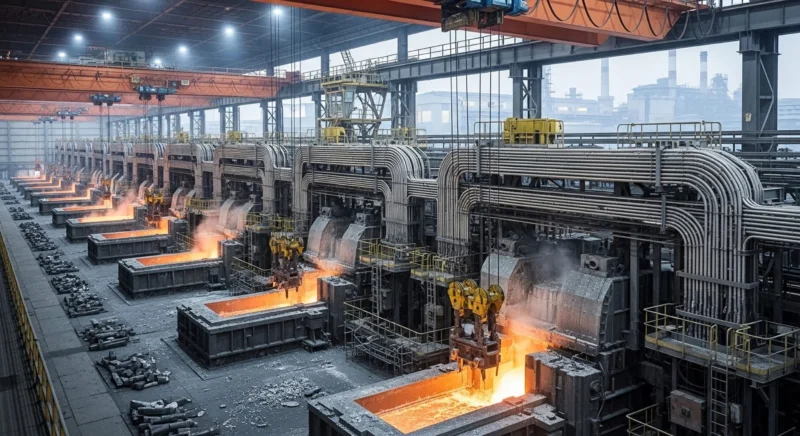
In mid-20th-century America, capitalism was a source of national pride. Now is different. Since the 1980s, American companies have shifted production overseas at an accelerating clip. China, once a communist backwater, has emerged as the world’s factory floor, producing everything from iPhones to plastic brushes. The numbers tell the story: U.S. manufacturing employment peaked at 19.5 million in 1979 and has since dwindled to around 13 million, while China’s industrial output soared. Economists point to the obvious drivers—labor in China costs a fraction of U.S. wages, regulations are laxer, and tax breaks abound. It’s a pragmatic choice, not a philosophical one.
Yet economics doesn’t exist in a vacuum—it’s shaped by ideology. The U.S. system, with its tangle of rules and redistributive policies, reflects a creeping collectivism. Many business leaders cite growing frustration with policies that, while often well-intentioned, create rigid constraints—minimum wage laws that distort labor markets, environmental rules that prioritize zero emissions over practical progress, and union dynamics that can slow or stall operations. Add in litigation risks and expanding administrative requirements like DEI metrics and the result is a climate where innovation can feel more punished than prized. Politicians beg for campaign cash while drafting laws that choke the very businesses they court and competitors wield patents like weapons. Frivolous court hearings drain companies’ resources into lawyers’ pockets.
For entrepreneurs, this isn’t just about costs—it’s a relentless message that their drive is suspect, their success a resource to be tapped.
Offshoring, then, becomes a de facto strike. It’s not the ideological purity of Galt’s retreat—companies aren’t abandoning production altogether—but it’s a withdrawal nonetheless. They’re saying, in effect, “If you won’t let us thrive here, we’ll go where we can.” China’s allure isn’t just cheap labor; it’s a government that rolls out the red carpet for industry, offering stability and incentives the U.S. no longer matches. The irony is biting: a nominally communist state has outdone the self-proclaimed champion of capitalism at its own game.
Tariffs: An Insult, Not an Incentive
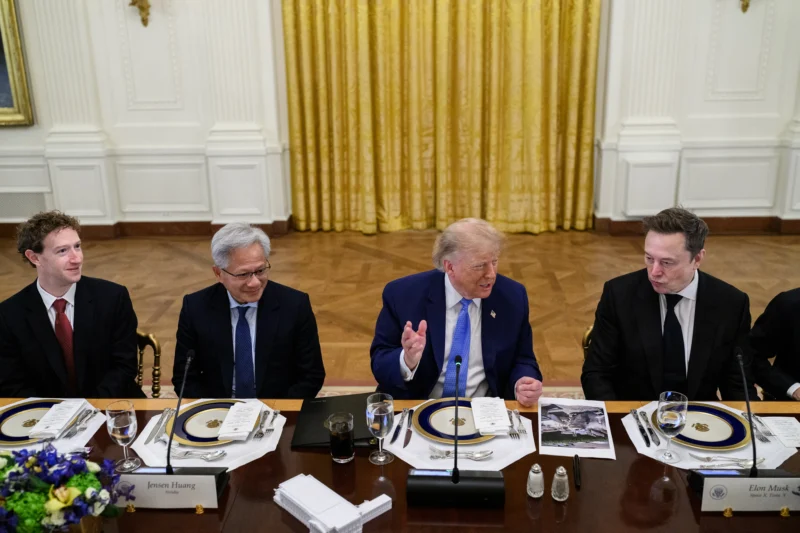
In response, the U.S. has turned to tariffs, most notably under President Trump. The logic is simple: tax imports to make domestic production competitive again, forcing businesses to “come home.” But this misses the mark. Tariffs raise costs for companies already stretched thin, punishing them for adapting to a hostile environment rather than fixing it. If offshoring is a strike, tariffs are a scolding from the boss, demanding loyalty without offering better conditions. Data shows the limits: while some firms have shifted from China to places like Vietnam and Mexico, very few have returned to the U.S. Manufacturing’s share of GDP continues its decades-long slide, suggesting the “strikers” aren’t ready to clock back in.
Bringing the Creators Home
Firms that moved production abroad didn’t do so out of defiance—they did it to survive. Reality demands a less dramatic fix. If the U.S. wants to onshore its businesses, it must create a climate where they want to stay, not out of coercion, but desire. Lower taxes, streamlined regulations, and labor flexibility could tilt the scales. Incentives like tax credits for domestic investment or R&D could sweeten the deal. The EPA could balance environmental goals with industrial needs, not just wield a veto. Politicians could stop treating businesses as ATMs and start seeing them as partners. These are not an exhaustive list of common-sense measures, nor are they radical ideas—they’re echoes of the America that once drew the world’s dreamers.
Tariffs won’t guilt them back—they’ll just dig in elsewhere. To end this strike, the U.S. must rediscover what made it a beacon for builders in the first place. Until then, the atlas of industry will keep shrugging, and the world will keep turning—somewhere else.