Texas Jumps On The School Choice Bandwagon
16 states now offer some form of universal school choice.
May 8, 2025

Matt Turner - Flickr
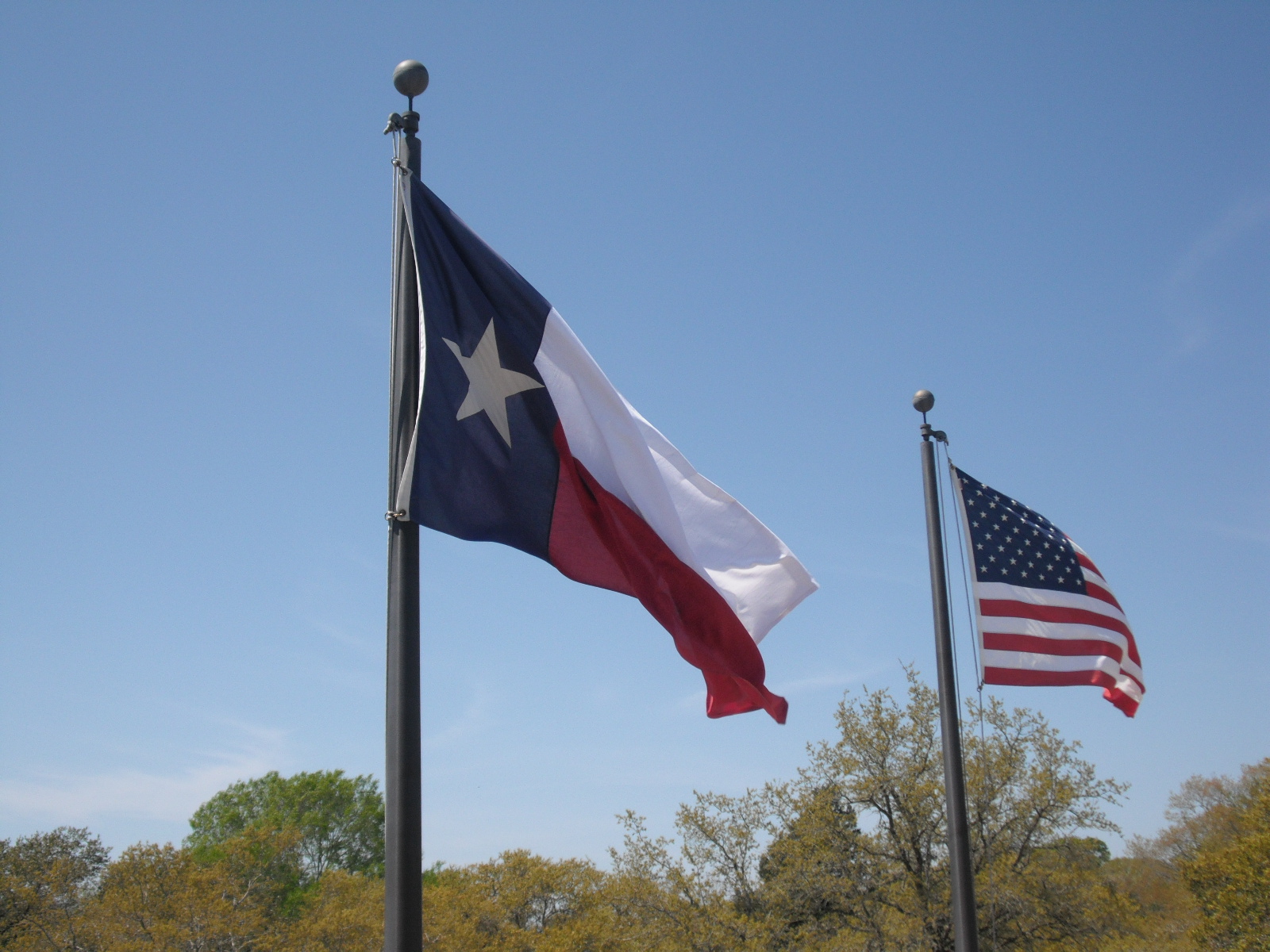
After several failed attempts over the past three decades to enact education reform in the state, Texas Governor Greg Abbott has signed Senate Bill 2, a landmark school choice bill that will allocate $1 billion to fund Education Savings Accounts (ESAs) over two years. “When I ran for re-election in 2022, I promised Texans that we will bring education freedom to every Texas family,” said Governor Abbott. “Today, Texas delivers on that promise. I am signing this law that will ensure Texas families, whose children can no longer be served by the public school assigned to them, have the choice to take their money and find the school that is right for them.”
All K-12 students are eligible to apply for the program, which will begin with the 2026-2027 school year. Eligible students will be able to receive up to $10,000 per year towards private school funding or additional education-related expenses. Students with disabilities can receive up to $11,500 and homeschool students can access up to $2,000 annually. Texas now joins fifteen other states in offering some form of universal school choice.
Parents want school choice, because it works. When Arizona rolled out its universal ESA program in 2022, it was projected that just over 68,000 students would participate; the Arizona Department of Education now projects that over 99,000 students will be enrolled by June 2025. A study of the effects of school choice legislation has shown a direct correlation between participation in voucher programs and college attendance. Students in the Florida Tax Credit Scholarship Program were 12% more likely to attend college than non-FTC participating students. Students enrolled in the Milwaukee Parental Choice Program, the oldest modern universal school choice initiative in the United States, were 7% more likely to go to a four-year university, and lasted, on average, 20% longer in college than non-MPCP participating students.
A study by the school choice advocacy group EdChoice that analyzed 48 school choice programs across 26 states found that these programs benefited taxpayers to the tune of $19.4 billion to $45.6 billion through fiscal year 2022. On average, states experienced fiscal benefits worth an estimated $1.70 to $2.64 for every dollar spent on a school choice program.
Proponents of school choice certainly have allies at 1600 Pennsylvania Avenue. In January, President Trump signed an executive order directing the Department of Education to issue guidance on how states can use federal funding to support their voucher programs, and directed Education Secretary Linda McMahon to prioritize school choice programs within the department’s discretionary grant programs. In March, the president went a step further signing another executive order with the ultimate goal of returning education to the states. While the Education Department cannot be closed without an act of congress, the order directs Secretary McMahon to begin the process of dismantling the department and returning authority over education to states and localities.
“Education is fundamentally a state responsibility. Instead of filtering resources through layers of federal red tape, we will empower states to take charge and advocate for and implement what is best for students, families, and educators in their communities,” said McMahon in a statement. “Closing the Department does not mean cutting off funds from those who depend on them—we will continue to support K-12 students, students with special needs, college student borrowers, and others who rely on essential programs. We’re going to follow the law and eliminate the bureaucracy responsibly by working through Congress to ensure a lawful and orderly transition.”
School choice will always have its detractors, namely the teachers unions, but with the success of recently implemented voucher programs and a general shift towards educational freedom, up to and including the current presidential administration, it is unlikely that the trend towards universal school choice will reverse anytime soon.